- Stress and anxiety
- Addiction support
- CBT and ACT
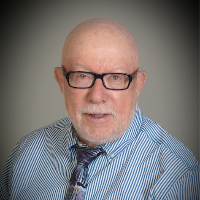
About James
Dr. James Kowalski is a Licensed Clinical Mental Health Counselor (LCMHC) and Licensed Mental Health Counselor (LMHC) with 30 years working in counseling. He lists stress, anxiety, addictions, grief, anger, depression, relationship problems, trauma and abuse, eating concerns, self-esteem, bipolar issues, and compassion fatigue among his primary focuses. He is based in West Virginia and conducts work in English.
Across three decades he has worked with people facing substance use challenges and with older adults. He notes experience with addiction concerns and has acted as a resource for those managing anger and mood difficulties. He also supports people dealing with caregiver strain, cancer-related stress, end-of-life questions, loneliness, and questions about life purpose.
His practice draws on Cognitive Behavioral Therapy, Acceptance and Commitment Therapy, Client-Centered methods, Mindfulness Therapy, and Motivational Interviewing. In sessions he uses these approaches to look at thoughts, behavior patterns, and values, and to build practical strategies for daily life. He emphasizes conversational, interactive sessions rather than abstract lectures.
Dr. Kowalski has held licenses in multiple states including North Carolina and Florida as well as West Virginia. He describes counseling as a collaborative process where a person’s decisions drive change. He frames treatment planning as something adjusted to each person's goals and situation.
For men managing work stress, anger, relationship strain, or life transitions, he offers straightforward, experience-based support. Before booking, readers should confirm current session options and formats to match their needs.
How his approaches translate to online work
Acceptance and Commitment Therapy (ACT) helps a person clarify what matters most and take actions that align with those values. It is often useful for stress, low mood, and problems that come from feeling stuck. Cognitive Behavioral Therapy (CBT) focuses on identifying unhelpful thinking and changing behaviors step by step, which can help with anxiety, depression, and anger. Client-Centered Therapy emphasizes the person’s own perspective and priorities, with the therapist following the client’s concerns and reflections.Finding the right blend of these approaches is part of the process. He works collaboratively to see which methods fit a person’s goals and preferences, adjusting tactics based on progress and feedback. The initial sessions are used to set goals and try approaches that feel manageable.
The biography does not specify exact session formats, so confirm current online options before booking. In general, online work can make it easier to fit counseling into a busy day, allow shorter check-ins when needed, and remove travel time. When formats are confirmed you can choose what best fits your routine and comfort, and the therapist will adapt methods to work in that setting.
Areas of expertise
Primary focus
Also works with
Additional focus areas
Therapeutic approaches
Experience
30+ years
Credentials
Georgia, North Carolina, Florida, West Virginia
Languages
English
Frequently asked questions
What concerns does he work with?
He lists stress, anxiety, addictions, grief, anger, depression, relationship issues, trauma and abuse, eating concerns, self-esteem, bipolar disorder, and compassion fatigue among his main areas.
What is his therapeutic style?
He uses a conversational, interactive approach combining Cognitive Behavioral Therapy, Client-Centered methods, Acceptance and Commitment Therapy, Mindfulness, and Motivational Interviewing.
How much experience does he have?
He has 30 years of experience working in counseling and related helping roles.
What are his credentials and location?
He holds the credentials LCMHC and LMHC and practices from West Virginia with licensure noted in multiple states including North Carolina and Florida.
Which languages are supported?
Sessions are offered in English.
Can international clients work with him?
International clients are not currently accepted.
How are sessions paid for?
Cost varies by location and sessions use a subscription that can be canceled at any time.
How do I begin a first session?
Click the See online therapy options button, complete a short matching questionnaire, and schedule a first session.
Before you get in touch
- Check that the license on record covers the state you live in.
- If a topic or approach matters to you, ask how this counselor works with it.
- You don't need to have it all worked out. Saying what has been going on lately is a fine place to start.
- A profile shows the topics a counselor lists; it is not a diagnosis or a promise of results.