- Stress and anxiety
- Addictions and impulse control
- Fatherhood issues
About Alex
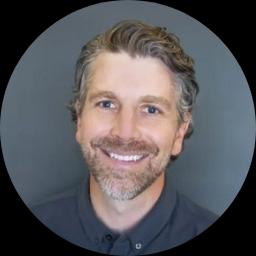
Alex Blankenstein is an LCMHC (Licensed Clinical Mental Health Counselor) with ten years of counseling experience based in Utah. He says he helps with stress, anxiety, addictions, relationship problems, trauma and abuse, and coping with life changes. He also lists a focus on fatherhood issues and men's issues among other concerns.
Alex draws on his own story of moving from shame and self-doubt toward values-driven confidence. He uses values clarification and self-regulation to help people notice patterns that hold them back. He also works with people who want to rewrite limiting beliefs and stop behaviors that don’t help them reach their goals.
His background includes work with trauma healing, compulsive sexual behavior, and what he calls self-led sexual health. He frames his role as a practical coach who helps people get unstuck and make concrete changes in daily life. Sessions aim to move from insight to action rather than staying at problem talk.
Alex presents himself as someone who values challenge and steady growth. He brings practical tools for managing impulses, rebuilding relationships, and handling life transitions. He also addresses issues like attachment, codependency, communication problems, and feelings of emptiness or isolation.
Outside of practice he is a husband and father, an endurance athlete, and someone who enjoys hands-on projects and outdoor adventure. That life experience informs his plainspoken style and focus on values and real-world change.
Therapeutic approaches and how online work can fit
Alex often uses values clarification as a way to name what matters and to set clear behavioral goals. That method helps when feeling stuck, making decisions, or shifting priorities after big life changes.He also emphasizes self-regulation skills to manage strong emotions and impulses. Those skills are practical tools you can practice between sessions for stress, anger, or addictive behaviors.
Finding the right approach usually happens together. The therapist will review your needs, goals, and preferences and suggest which techniques to try first. You and he can adjust the plan as you learn what helps most.
The original biography does not list which online session formats are used, so confirm current options before booking. In general, online work can make it easier to fit sessions into a busy day, allow shorter check-ins when needed, and remove travel time so appointments are simpler to keep. Licensed professionals can use remote sessions to review skills, set weekly goals, and follow up on homework in between meetings.
Areas of expertise
Primary focus
Additional focus areas
Experience
10+ years
Credentials
Utah
Languages
English
Frequently asked questions
What kinds of concerns does he work with?
He lists stress, anxiety, addictions, relationship problems, trauma and abuse, and coping with life changes, plus areas like fatherhood issues and men's issues.
What is his therapeutic approach like?
He uses values clarification and self-regulation to help people change patterns and rewrite limiting beliefs. The focus is on practical steps to stop unhelpful behaviors.
How much counseling experience does he have?
He has ten years of experience working with clients on issues including trauma healing and compulsive sexual behavior.
What are his credentials and where is he based?
He holds an LCMHC credential and practices in Utah.
Does he offer sessions in other languages or to international clients?
Sessions are offered in English and he does not accept international clients.
Which session formats are offered?
The original biography does not list specific session formats; confirm the current session options before booking.
How are sessions paid for and what do they cost?
Cost varies with location and sessions use a subscription that can be canceled at any time.
How do I get started with a first session?
Select the See online therapy options button, complete a short matching questionnaire, and schedule a first session.
Before you get in touch
- Check that the license on record covers the state you live in.
- If a topic or approach matters to you, ask how this counselor works with it.
- You don't need to have it all worked out. Saying what has been going on lately is a fine place to start.
- A profile shows the topics a counselor lists; it is not a diagnosis or a promise of results.