- Addictions recovery
- Trauma care
- Men's wellbeing
About Arnold
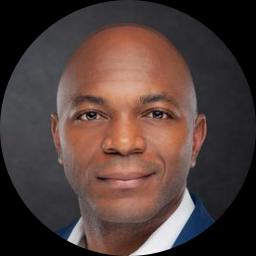
Arnold Etoua is a Licensed Clinical Social Worker (LCSW) practicing in Texas with nine years of experience. He focuses on men’s wellbeing and works with adults facing addictions, trauma and abuse, low self-esteem, depression, and major life changes. He speaks English and French and brings a practical approach to everyday struggles.
Etoua uses evidence-based therapeutic techniques such as Cognitive Behavioral Therapy and motivational interviewing alongside strengths-based work. Sessions are conversational and straightforward. He helps people see patterns that link early wounds to present problems, then builds clear steps to change those patterns.
Many clients he sees carry the long-term effects of childhood trauma. Issues often include abandonment, attachment problems, shame, and difficulty trusting others. Those early experiences can show up later as anxiety, depression, people-pleasing, or trouble setting boundaries.
He also focuses on men’s mental health and fatherhood issues, noting that cultural expectations can make it harder for men to talk about emotional pain. He supports men who are dealing with isolation, identity strain, relationship struggles, or the pressures of work and providing.
His background includes work with people recovering from drug and alcohol addiction and those rebuilding after difficult life events. In sessions he emphasizes building emotional regulation, practical coping skills, and greater self-awareness. To start, prospective clients complete a short matching questionnaire and schedule a first session.
Therapeutic approaches and how online work fits in
Etoua frequently uses Cognitive Behavioral Therapy to help people spot unhelpful thinking and try different behaviors. CBT is useful for depression, anxiety, and patterns that keep repeating. He also draws on motivational interviewing to help people find their own reasons for change and to build momentum for recovery.Deciding which approach to use is a collaborative process. The therapist will review the concerns, goals, and preferences with each person and adapt the methods over time. Clients and the therapist check in regularly to see what is working and what needs to change.
Session formats are not specified in the biography, so confirm current options before booking. Online work can make it easier to fit therapy into a busy life by reducing travel time and allowing sessions during a lunch break, a quieter moment at home, or between shifts. Different formats can also suit different needs - for example, shorter check-ins when bandwidth is limited or video sessions for a more conversational experience. Licensed professionals can tailor timing and structure to match work schedules, parenting responsibilities, and daily routines.
Areas of expertise
Additional focus areas
Experience
9+ years
Credentials
Texas
Languages
English, French
Frequently asked questions
What issues does he typically help with?
He works with addictions, trauma and abuse, low self-esteem, depression, and coping with life changes. Additional concerns include attachment, shame, fatherhood issues, and men’s wellbeing.
What is his therapy style?
He uses evidence-based techniques like Cognitive Behavioral Therapy and motivational interviewing alongside strengths-focused work. Sessions aim to be practical and goal oriented.
How much experience does he have?
He has nine years of clinical experience working with adults on trauma, addiction recovery, and related concerns.
What are his credentials and practice location?
He is a Licensed Clinical Social Worker (LCSW) licensed in Texas and practices from that state.
Which languages are supported in sessions?
Sessions are offered in English and French.
Does he accept clients outside the country?
He does not accept international clients at this time.
How are sessions billed?
Cost varies by location and sessions use a subscription model that can be canceled at any time.
How do I get started with him?
Start by selecting the See online therapy options button, completing a short matching questionnaire, and scheduling your first session.
Before you get in touch
- Check that the license on record covers the state you live in.
- If a topic or approach matters to you, ask how this counselor works with it.
- You don't need to have it all worked out. Saying what has been going on lately is a fine place to start.
- A profile shows the topics a counselor lists; it is not a diagnosis or a promise of results.