- Stress and anxiety
- Relationships and intimacy
- Fatherhood and parenting
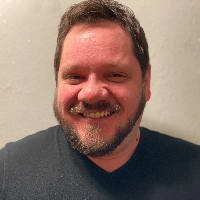
About Brandon
Licensed Clinical Mental Health Counselor (LCMHC) and Licensed Professional Counselor (LPC) Brandon Bunker has 11 years of experience helping people with stress, anxiety, depression, relationship concerns, and issues tied to identity and trauma. He works with men on topics like fatherhood, intimacy, addictions, career strain, and LGBTQ-related worries in straightforward, practical ways.
Brandon uses clear conversation to help clients name what feels difficult and try manageable changes. He leans on approaches such as Acceptance and Commitment Therapy and Cognitive Behavioral Therapy to teach skills for coping and shifting unhelpful patterns. Sessions focus on what someone wants to change now and on small steps they can use between meetings.
Attachment-based ideas and Emotionally-Focused Therapy inform how he looks at relationship patterns and emotional responses. That helps when trust, abandonment, or communication problems come up. Brandon also supports people dealing with complex sexual cultures such as BDSM and kink without judgment, and he addresses issues like codependency and commitment worry.
He offers practical help for parenting and fatherhood concerns, caregiver stress, and family of origin problems. Brandon also works with people facing addiction and recovery challenges, and those coping with major life changes or compassion fatigue from helping others.
Sessions are conducted in English and delivered from his Utah practice. Costs vary by location and use a subscription that can be canceled at any time. To begin, users select the See online therapy options button, complete a short matching questionnaire, and schedule a first session.
Therapeutic approaches and online sessions
Brandon commonly uses Acceptance and Commitment Therapy (ACT) to help people notice thoughts and feelings without getting stuck in them, then take values-based actions that matter. ACT can be useful for anxiety, low mood, and navigating life changes.He also draws on Cognitive Behavioral Therapy (CBT) to identify unhelpful thinking and behavior patterns and to practice concrete skills for feeling and functioning better. Attachment-based work and Emotionally-Focused Therapy inform how he looks at relationship patterns, trust issues, and emotional responses when intimacy or abandonment are concerns.
Finding the right approach is part of the work. He will discuss options and decide together which methods fit a client’s goals and preferences. That collaborative planning can include trying different tools and checking what helps most over time.
Session formats are not detailed in the original profile, so confirm current options before booking. Online sessions can make it easier to fit therapy into a busy schedule, allow shorter check-ins during a workday, or remove the need to travel. Licensed professionals and therapists can adapt techniques like ACT and CBT to an online conversation so practical skill-building continues between meetings.
Areas of expertise
Primary focus
Also works with
Additional focus areas
Therapeutic approaches
Experience
11+ years
Credentials
Utah, Virginia
Languages
English
Frequently asked questions
What concerns does he address?
He supports men with stress, anxiety, depression, relationship and intimacy issues, trauma and abuse, addictions, parenting and fatherhood concerns, and LGBTQ-related matters.
What is his therapy style?
He uses a practical, conversation-based style focused on identifying problems and trying manageable changes between sessions.
How much experience does he have?
He has 11 years of clinical experience working with a range of emotional and relational concerns.
Which credentials and location apply?
He holds LCMHC and LPC credentials and practices in Utah.
Which languages are supported?
Sessions are offered in English.
Can I work with him from another country?
He does not accept international clients at this time.
How are sessions paid for?
Cost varies with location and sessions use a subscription that can be canceled at any time.
How do I get started?
Select the See online therapy options button, complete a short matching questionnaire, and schedule a first session.
Before you get in touch
- Check that the license on record covers the state you live in.
- If a topic or approach matters to you, ask how this counselor works with it.
- You don't need to have it all worked out. Saying what has been going on lately is a fine place to start.
- A profile shows the topics a counselor lists; it is not a diagnosis or a promise of results.