- Stress and anxiety
- Addiction coping
- Depression support
About Brian
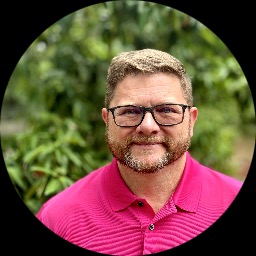
Brian Morgan is a Licensed Mental Health Counselor (LMHC) in Florida with four years of clinical experience. He helps people manage stress, anxiety, addictions, trauma and abuse, bipolar disorder, and depression. He also supports men dealing with relationship problems, self-harm behaviors, and personality-related concerns.
He keeps sessions direct and practical. Conversations focus on what’s happening now and what can change. He encourages honest talk about thoughts and feelings and aims to reduce shame around those topics.
In early work he often prioritizes simple coping steps. That can mean short-term tools for anxiety, clear plans for handling urges linked to addiction, or setting boundaries in difficult relationships. He checks in on how those steps land and adjusts them as needed.
For longer-term concerns he works on patterns that keep problems repeating. That includes looking at family of origin issues, communication habits, and emotional isolation. He can help people recognize impulsivity, jealousy, and codependent reactions and find different ways to respond.
Brian uses evidence-based therapeutic techniques and focuses on collaboration. He asks about goals and keeps sessions practical so men can try changes between meetings and report back. He accepts international clients and sees clients who speak English.
To begin, readers should follow the site button to view online therapy options, complete a short matching questionnaire, and schedule a first session. Costs vary with location and use a subscription that can be canceled at any time.
How evidence-based techniques are used online
Brian uses evidence-based therapeutic techniques to guide sessions. One common approach focuses on practical coping skills for anxiety and stress, teaching breathing, grounding, and step-by-step exposure to reduce avoidant reactions. These tools help with day-to-day symptoms and give quick ways to regain control.Another approach looks at behavior patterns linked to addiction and impulsivity. This means identifying triggers, building brief action plans for urges, and rehearsing alternative responses. That work aims to reduce risky behaviors and support steadier routines.
Choosing the right method is collaborative. He asks about what you want to change, what’s worked before, and what feels doable. Together you test methods and adjust the plan based on what helps in real life.
Confirm the available session formats before booking since the biography does not list specific formats. Online sessions can make it easier to fit therapy into a day - for example, shorter check-ins during a work break, audio-only calls if bandwidth is limited, or full video meetings for longer conversations. These options help people keep therapy practical and consistent without assuming a single format.
Areas of expertise
Primary focus
Additional focus areas
Experience
4+ years
Credentials
Florida
Languages
English
Frequently asked questions
What concerns does he work with?
He works with stress, anxiety, addictions, trauma and abuse, bipolar disorder, and depression. He also addresses relationship problems, self-harm behaviors, and personality-related issues.
What is his approach in sessions?
He uses direct, practical conversations that focus on current problems and clear coping steps. Sessions emphasize trying manageable changes between meetings.
How much experience does he have?
He has four years of professional work experience as a clinician.
What credentials and where is he based?
He is a Licensed Mental Health Counselor (LMHC) licensed in Florida and practices from that state.
Which languages are supported?
Sessions are offered in English.
Can international clients work with him?
He accepts international clients; confirm practical session details when booking.
How are sessions paid for?
Costs vary with location and services use a subscription model that can be canceled at any time.
How do I get started?
Click the site button to view online therapy options, complete a short matching questionnaire, and then schedule a first session.
Before you get in touch
- Check that the license on record covers the state you live in.
- If a topic or approach matters to you, ask how this counselor works with it.
- You don't need to have it all worked out. Saying what has been going on lately is a fine place to start.
- A profile shows the topics a counselor lists; it is not a diagnosis or a promise of results.