- CBT techniques
- Mindfulness practice
- Trauma-focused care
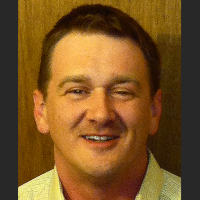
About Brooks
Brooks Johnson is a Florida LMHC with 27 years of practice helping men manage stress, anxiety, depression, relationship strain, and addiction concerns. He also works with issues like anger, grief, bipolar disorder, ADHD, self-esteem, and life changes. He presents himself as a steady clinician who expects clients to push toward a more productive, purposeful life.
He uses a range of approaches rather than a single method. His work draws on Cognitive Behavioral Therapy and existential ideas alongside mindfulness and solution-focused techniques. He also includes trauma-focused methods when past harm is a factor. Sessions often mix talk, practical strategies, and attention to thinking patterns that keep problems active.
Brooks writes that spiritual beliefs can be part of counseling when clients want that element included. He values both formal education and lessons learned from long experience. That combination shapes how he frames goals and next steps with people.
In practice he aims to reflect back what a client says and help them try different ways of responding. Expect straightforward conversation, tools to manage mood and behavior, and help sorting priorities like work, fatherhood, or caregiving stress. He focuses on clear steps a man can use between sessions.
Brooks is based in Florida and works in English. Men looking for practical help with career pressures, intimacy problems, or the strains of aging and caregiving will find that his background centers on those concerns and practical coping strategies.
Therapeutic approaches and how online sessions can fit
Brooks uses Cognitive Behavioral Therapy to help identify and change unhelpful thought patterns and behaviors. CBT is practical and often includes homework, thought records, and step-by-step behavioral changes that fit issues like anxiety, depression, and impulse control.He also draws on Mindfulness Therapy to teach attention and breathing practices that reduce reactivity and help with stress and anger. Mindfulness methods focus on noticing thoughts and sensations without getting swept away by them.
Finding the right approach is part of the work. He will review what feels most useful, discuss goals, and try methods together so the plan matches the client's needs and preferences. That collaboration helps shape whether sessions emphasize skills training, reflection, or trauma-focused care.
Session format details are not listed in the biography, so confirm current options before booking. Online sessions can make it easier to fit counseling into a workday, enable shorter check-ins when time is tight, and reduce the need to travel. Talk with him about what works best for scheduling, pacing, and whether you prefer more structured assignments or open conversation.
Areas of expertise
Primary focus
Also works with
Additional focus areas
Therapeutic approaches
Experience
27+ years
Credentials
Florida
Languages
English
Frequently asked questions
What kinds of problems does he help with?
He works with stress, anxiety, depression, bipolar concerns, addictions, relationship and intimacy issues, anger, grief, ADHD, and life changes among other topics.
What is his therapeutic style?
He uses a practical mix of approaches including cognitive behavioral, existential, mindfulness, solution-focused, and trauma-focused methods to match what a client needs.
How much experience does he have?
He has 27 years of clinical experience working with adults on a broad range of emotional and behavioral concerns.
What credential does he hold and where is he located?
He is a Florida LMHC and practices in Florida.
Which languages are sessions offered in?
Sessions are offered in English.
Can international clients work with him?
He does not accept international clients at this time.
How does payment work?
Cost varies by location; sessions use a subscription that can be canceled at any time.
How do I begin a first session?
Use the See online therapy options button, complete a short matching questionnaire, and schedule a first session.
Before you get in touch
- Check that the license on record covers the state you live in.
- If a topic or approach matters to you, ask how this counselor works with it.
- You don't need to have it all worked out. Saying what has been going on lately is a fine place to start.
- A profile shows the topics a counselor lists; it is not a diagnosis or a promise of results.