- Addictions
- Relationship work
- Smoking cessation
About Bruce
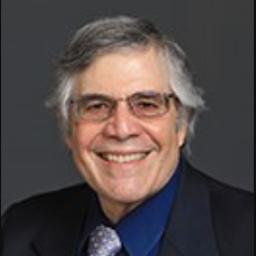
Dr. Bruce Friedman is an LCSW and LICSW with 13 years of clinical experience based in Texas. He lists addictions, relationship and intimacy-related issues, coping with life changes, and coaching among his core concerns. His work also touches on fatherhood issues, caregiver stress, blended family challenges, and substance use disorders.
He trained in intergenerational family therapy and has focused much of his career on substance use problems. He developed a smoking cessation program and has extensive experience working with older adults and people with disabilities. Spirituality can be part of sessions when it helps a person understand their situation.
Sessions are practical and direct. He helps people talk through patterns that keep causing harm and looks for concrete steps they can try between meetings. That might include exploring family history, changing daily routines, or addressing substance use in ways that fit the person’s life.
Dr. Friedman treats relationship and intimacy concerns by looking at how early family patterns affect current behavior. He also supports people dealing with divorce, blended family dynamics, and guilt or shame related to past choices. Fatherhood issues and caregiver stress are frequent topics he addresses.
He combines his background with straightforward coaching when clients want clearer goals or habits. The work often involves short practical homework, role practice for communication, and planning around life changes and recovery. Sessions tend to emphasize what can be tried now and how to adjust based on results.
Therapeutic approaches and online work
Dr. Friedman trained in intergenerational family therapy, which looks at how patterns and roles passed down through generations affect today’s relationships. This approach helps when relationship problems, communication issues, or family-of-origin concerns keep repeating.He also brings practical work around substance use disorders and smoking cessation. That typically involves setting clear goals, tracking behavior, and trying concrete strategies to reduce or quit use. For people struggling with guilt, shame, or relapse triggers, this approach focuses on steps to rebuild routines and supports.
Finding the right approach is part of the work. He will talk with each person about their needs, goals, and what feels workable, and then suggest methods to try. That decision is collaborative and can change as progress is made.
The biography does not list specific session formats, so confirm available options before booking. In general, online sessions can help fit therapy into a busy schedule, reduce travel time, and make shorter check-ins easier to arrange during a workday. They can also allow someone to speak with a licensed professional from different locations within the same state, but check format details and logistics ahead of time.
Areas of expertise
Primary focus
Additional focus areas
Experience
13+ years
Credentials
Texas, Minnesota
Languages
English
Frequently asked questions
What kinds of concerns does he help with?
He works with addictions, relationship and intimacy issues, coping with life changes, and coaching. He also lists fatherhood issues, caregiver stress, and substance use among his focus areas.
How would he describe his approach in sessions?
He uses practical, direct conversations that look at family patterns and daily routines. Sessions often include actionable steps and short homework to try between meetings.
How much experience does he have?
He has 13 years of clinical experience working with addictions and related family issues.
What credentials and where is he based?
He holds LCSW and LICSW credentials and practices from Texas.
Does he work in languages other than English?
Sessions are offered in English.
Can international clients work with him?
He does not accept international clients at this time.
What session formats are offered?
The original biography does not specify session formats. Confirm current session options before booking to know whether remote or in-person meetings are possible.
How are fees handled?
Cost varies with location and sessions use a subscription that can be canceled at any time.
Before you get in touch
- Check that the license on record covers the state you live in.
- If a topic or approach matters to you, ask how this counselor works with it.
- You don't need to have it all worked out. Saying what has been going on lately is a fine place to start.
- A profile shows the topics a counselor lists; it is not a diagnosis or a promise of results.