- Attachment based
- CBT strategies
- Mindfulness skills
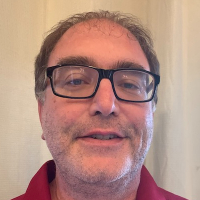
About Christopher
Christopher Weber is a Licensed Clinical Social Worker (LCSW) in Montana with six years of clinical experience. He works with men who are dealing with depression, anxiety, stress, work and career questions, parenting concerns, ADHD, and relationship challenges. He also supports people facing grief, trauma and abuse, compassion fatigue, and life transitions.
Christopher follows a client-centered style that focuses on listening and understanding what matters to each person. Sessions are practical and straightforward. He helps people name the problems that feel biggest and then works with them to try small, manageable changes.
He draws on attachment-based ideas to look at how early relationships affect current behavior and feelings. Cognitive Behavioral Therapy (CBT) tools are used to find and test unhelpful thinking patterns. He also uses Dialectical Behavior Therapy (DBT) skills and mindfulness practices for managing strong emotions and improving day-to-day coping.
Christopher has experience supporting concerns such as family of origin issues, commitment and communication problems, caregiver stress, body image, and blended family struggles. He frames these topics in plain language and focuses on clear steps rather than labels. His background includes work across multiple mental health settings in Montana.
People who come to him for help can expect direct, practical conversations about goals like reducing anxiety, improving mood, handling parenting stress, or making career decisions. He asks clients to set priorities and then tracks progress over time.
How Christopher blends approaches for online work
Christopher often uses attachment-based therapy to look at how early relationships shape current patterns. That approach helps when trust, closeness, or repeated relationship problems feel stuck. He also uses Cognitive Behavioral Therapy (CBT) to identify and change unhelpful thoughts and behaviors. CBT is practical and useful for anxiety, low mood, and stress management.Finding the right approach is part of the work. Christopher will collaborate with each client to choose methods that match their needs, goals, and preferences. He checks in about what’s helpful and adjusts strategies over time so sessions stay relevant and practical.
Confirm the exact session formats before booking, as session delivery options are not specified in the biography. Online sessions can make it easier to fit therapy into busy days, allow shorter check-ins when time is limited, and avoid travel. They also let people choose whether to use video or not depending on what feels useful. Therapists and licensed professionals will work with clients to set up a session pattern that fits daily life and goals.
Areas of expertise
Primary focus
Also works with
Additional focus areas
Therapeutic approaches
Experience
6+ years
Credentials
Montana
Languages
English
Frequently asked questions
What concerns does he focus on?
He focuses on depression, anxiety, stress, parenting issues, ADHD, grief, trauma, career questions, and related challenges.
What is his therapy style like?
He uses a client-centered style that emphasizes listening and practical steps. Christopher also incorporates CBT, DBT skills, attachment work, and mindfulness.
How much clinical experience does he have?
He has six years of experience working as a Licensed Clinical Social Worker in mental health settings.
What credential does he hold and where is he based?
He is an LCSW licensed in Montana and practices there.
Which languages are sessions offered in?
Sessions are offered in English.
Can international clients work with him?
He does not accept international clients at this time.
How are sessions scheduled and paid?
Sessions use a subscription that can be canceled at any time and pricing varies with location.
How do I begin with him?
Start by selecting the See online therapy options button, completing a short matching questionnaire, and scheduling a first session.
Before you get in touch
- Check that the license on record covers the state you live in.
- If a topic or approach matters to you, ask how this counselor works with it.
- You don't need to have it all worked out. Saying what has been going on lately is a fine place to start.
- A profile shows the topics a counselor lists; it is not a diagnosis or a promise of results.