- Stress and anxiety
- Trauma focused work
- Relationship concerns
About Debra
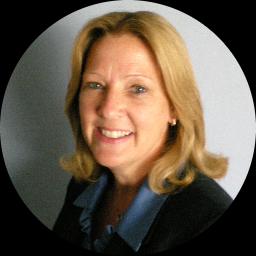
Debra Thomas is a Florida Licensed Mental Health Counselor (LMHC) with 18 years of professional experience. She helps people who are struggling with stress, anxiety, relationship concerns, trauma and abuse, grief, and depression. She also addresses related issues such as attachment, abandonment, caregiving stress, chronic illness, and body image.
Thomas focuses on straightforward conversations that name what is happening and what feels hard. She listens for patterns that keep people stuck and then suggests practical steps to try. Sessions are direct and aimed at making problems easier to manage between meetings.
Her background includes long-term work with people facing loss and the aftermath of traumatic events. That experience shapes how she approaches safety, pacing, and practical coping skills. She often uses methods that help people change thinking patterns and reduce symptoms over time.
In the room she is clear about goals and options. Clients can expect collaborative planning, feedback on what’s working, and adjustments as needed. The emphasis is on small, achievable changes that fit into daily life.
Many men find it helpful to talk about stress at work, anger, relationship struggles, or the pressures of fatherhood. Thomas offers direct, no-nonsense support for these concerns. To start, clients complete a brief intake and set a first session to review goals and next steps.
How her approaches translate to online work
CBT, or Cognitive Behavioral Therapy, looks at patterns of thinking and behavior that keep problems going. It uses practical exercises and small experiments to change thoughts and actions, which can help with anxiety, depression, and relationship strain. Trauma-Focused Therapy focuses on stabilizing symptoms and building coping skills before addressing painful memories, and it is often used for people who have experienced abuse or other traumatic events.Finding the right approach is part of the work together. The therapist will review goals, symptoms, and personal preferences and then recommend or try approaches that fit. This is a collaborative process with room to adjust based on what helps most.
Session formats are not specified in the original biography, so confirm current options before booking. Many people choose online sessions because they can fit appointments into a workday, avoid travel time, or use a shorter check-in when schedules are tight. Online sessions can make it easier to keep regular appointments and apply new skills between meetings without changing daily routines.
Areas of expertise
Primary focus
Additional focus areas
Therapeutic approaches
Experience
18+ years
Credentials
Florida
Languages
English
Frequently asked questions
What kinds of problems does she help with?
She works with stress, anxiety, relationship issues, trauma and abuse, grief, and depression, plus related concerns like attachment and caregiving stress.
How would you describe her therapeutic style?
Her approach is direct and practical, focusing on clear goals, feedback, and steps clients can use between sessions.
How much experience does she have?
She has 18 years of professional experience as a clinician.
What are her credentials and location?
She is a Florida LMHC and practices in Florida.
Which languages does she offer sessions in?
Sessions are offered in English.
Can international clients work with her?
She does not accept international clients at this time.
How are sessions billed and what does it cost?
Cost varies with location and sessions use a subscription that can be canceled at any time.
How do I begin if I want to work with her?
Use the See online therapy options button, complete a short matching questionnaire, and schedule a first session.
Before you get in touch
- Check that the license on record covers the state you live in.
- If a topic or approach matters to you, ask how this counselor works with it.
- You don't need to have it all worked out. Saying what has been going on lately is a fine place to start.
- A profile shows the topics a counselor lists; it is not a diagnosis or a promise of results.