- CBT methods
- Trauma-focused work
- Goal oriented
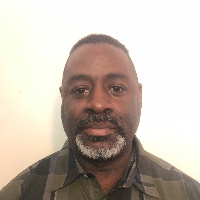
About Dwayne
Dwayne Kilgore is a Licensed Professional Counselor (LPC) in Texas with six years of clinical experience. He lists stress, anxiety, trauma and abuse, depression, grief, intimacy-related issues, anger, self-esteem, and bipolar concerns among his main areas. He also notes additional focus on men's issues and fatherhood, veteran and armed forces issues, communication problems, and coping with disasters. Sessions are conducted in English and his practice is based in Texas.
Dwayne has worked with individuals and groups across a range of concerns. He has substantial experience supporting people with trauma and post-traumatic stress, including veterans. He also addresses relationship impacts of trauma and related communication or intimacy struggles.
His work draws on Cognitive Behavioral Therapy along with Solution-Focused and Motivational Interviewing methods. He uses Trauma-Focused approaches when trauma is the central issue. In practical terms he helps people identify unhelpful thinking patterns, set short-term goals, and build steps to manage symptoms and relationships.
Clients can expect a direct, interactive style that focuses on concrete steps and measurable progress. He has background as a Christian lay counselor in the Dallas area for over 15 years alongside his LPC practice, and that experience informs his familiarity with faith contexts when relevant.
Before booking, confirm current session formats and scheduling options. The therapist works in Texas and offers services in English only.
Approaches used for online sessions and practical benefits
Many clients work with Cognitive Behavioral Therapy to spot unhelpful thoughts and change behavior. CBT is often used for anxiety, depression, panic, and mood disorders by helping people test and alter thinking patterns.Trauma-Focused Therapy is used when trauma or post-traumatic stress is central. This approach helps process traumatic memories and reduce their impact on daily life. Solution-Focused Therapy focuses on small, achievable goals and what steps move a person toward them; it suits people who want concrete changes in shorter timeframes.
Choosing the right approach is a collaborative process. The therapist will discuss goals and preferences and suggest methods that fit those priorities. Together they will adjust the plan as needed based on progress and feedback.
Please confirm which session formats he currently offers before booking, as the biography does not list specific options. Online work can make it easier to fit sessions around work, reduce travel time, and allow for shorter check-ins when needed. Therapists and licensed professionals can adapt techniques like CBT and solution-focused work to remote sessions so clients can practice skills between meetings.
Areas of expertise
Primary focus
Also works with
Additional focus areas
Therapeutic approaches
Experience
6+ years
Credentials
Texas
Languages
English
Frequently asked questions
What concerns does he commonly address?
He works with stress, anxiety, trauma and PTSD, depression, grief, anger, self-esteem, bipolar issues, and intimacy-related problems.
What therapeutic approaches does he use?
He uses Cognitive Behavioral Therapy, Motivational Interviewing, Solution-Focused Therapy, and Trauma-Focused approaches as part of his work.
How much clinical experience does he have?
He has six years as an LPC and over 15 years providing Christian lay counseling in the Dallas area.
What are his credentials and where is he based?
He is an LPC licensed in Texas and his practice is located in Texas.
Does he offer sessions in other languages or internationally?
Sessions are offered in English. He is not accepting international clients.
Which session formats are available?
Please confirm current session formats before booking, as the biography does not list specific formats.
How does pricing work?
Cost varies with location and sessions use a subscription that can be canceled at any time.
How do I begin a first session?
Start by selecting the See online therapy options button, complete a short matching questionnaire, and schedule a first session.
Before you get in touch
- Check that the license on record covers the state you live in.
- If a topic or approach matters to you, ask how this counselor works with it.
- You don't need to have it all worked out. Saying what has been going on lately is a fine place to start.
- A profile shows the topics a counselor lists; it is not a diagnosis or a promise of results.