- Stress and anxiety
- Relationship issues
- Trauma and grief
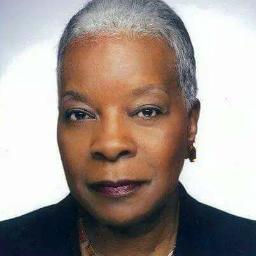
About Elnora
Prof. Elnora Harrison is a Licensed Mental Health Counselor (LMHC) in New York with 35 years of experience. She works with stress, anxiety, LGBT concerns, relationship issues, trauma and abuse, and grief. Men looking for practical help with midlife strain, work stress, or problems at home will find straightforward support. Sessions are framed around clear goals and direct conversation rather than clinical jargon.
Her background spans mental health counseling and community psychology. She has previous certification in alcohol and substance abuse counseling (CASAC) and has worked with people who used substances to manage anxiety and depression. Her practice also addresses race-based and intergenerational family trauma and includes attention to decolonization approaches.
In sessions she focuses on concrete problems like communication breakdowns, control issues, guilt and shame, impulsivity, and isolation. She also supports those wrestling with abandonment, attachment struggles, caregiving stress, divorce or separation, financial worries, and questions about life purpose. The work is practical and aimed at changing patterns that create ongoing stress.
Harrison draws on evidence-based therapeutic techniques to guide conversations and shape treatment plans. She emphasizes cultural humility and respect in how topics are handled. Clients can expect honest dialogue about what is and isn’t working, plus practical steps to try between meetings.
She practices from New York and offers services in English. Men who are new to therapy are encouraged to take a short matching questionnaire and schedule a first session to see how the work fits their needs.
How therapeutic methods translate to online work
Evidence-based techniques are used to guide sessions in clear, practical ways. Cognitive-behavioral approaches help by naming unhelpful thoughts and testing different behaviors to reduce anxiety and change mood patterns. Trauma-informed methods focus on stabilizing symptoms, improving safety in daily life, and building skills for managing intrusive memories or strong emotions.Choosing the best approach is part of the work. The therapist will review your concerns, goals, and preferences and together you will try methods that fit your situation. That collaborative process helps narrow what feels useful and what can be adjusted as you progress.
Session formats are not listed in the biography, so confirm current options before booking. Online work can make it easier to fit therapy into a busy life by removing travel time and allowing meetings during a lunch break or between commitments. It also lets you pick session rhythms that match your schedule, such as shorter check-ins or standard-length meetings, so therapy can be practical and workable alongside daily responsibilities.
Areas of expertise
Primary focus
Additional focus areas
Experience
35+ years
Credentials
New York
Languages
English
Frequently asked questions
What concerns does she focus on?
She focuses on stress, anxiety, LGBT concerns, relationship problems, trauma and abuse, and grief, with additional attention to men’s issues and midlife challenges.
What is her approach in sessions?
She uses evidence-based therapeutic techniques and keeps sessions practical, focusing on clear goals and steps you can try between meetings.
How long has she practiced?
She has 35 years of professional experience in human services, behavioral, and mental health fields.
What credential does she hold and where is she based?
She is an LMHC licensed in New York and practices from New York.
Which languages are supported?
Sessions are offered in English.
Can international clients work with her?
She is not accepting international clients at this time.
How are sessions paid for and what does it cost?
Cost varies with location; sessions use a subscription that can be canceled at any time.
How do I start a first session?
Click the See online therapy options button, complete a short matching questionnaire, and schedule a first session.
Before you get in touch
- Check that the license on record covers the state you live in.
- If a topic or approach matters to you, ask how this counselor works with it.
- You don't need to have it all worked out. Saying what has been going on lately is a fine place to start.
- A profile shows the topics a counselor lists; it is not a diagnosis or a promise of results.