- Attachment-based work
- CBT and DBT methods
- Speaks Hindi Punjabi Urdu
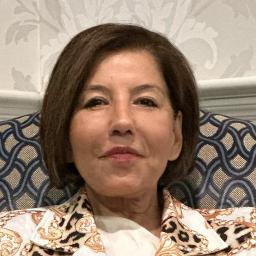
About Gagan
Dr. Gagan Luthra is an LPC, CSW with 38 years of clinical experience based in New Jersey. She lists stress, anxiety, addictions, LGBT concerns, trauma and abuse, depression, relationship and family issues, grief, intimacy difficulties, eating and sleeping problems, anger, self-esteem, career concerns, bipolar disorder, coping with life changes, and ADHD among the areas she addresses.
Dr. Luthra uses straightforward, evidence-informed methods in sessions. She draws on attachment-based ideas, client-centered listening, cognitive behavioral techniques, dialectical behavior strategies, and emotionally focused work to help people understand patterns and try different ways of responding. Sessions often focus on practical skills and short-term strategies as well as deeper relationship issues.
She has a long background in psychiatry and addictions and has worked in large hospital settings supervising psychiatric and addiction services. That experience shapes how she approaches complex cases and co-occurring concerns involving substance use and mood or trauma-related symptoms.
Dr. Luthra notes experience with trauma-informed approaches and with issues that affect LGBTQ people. She also has a history of running school-related programs about addiction and LGBTQ matters and has worked with caregiver stress and aging-related concerns.
Sessions may include talking, skills practice, and problem-solving. She speaks English, Hindi, Punjabi, and Urdu. International clients are accepted, and practical details about session formats should be confirmed before booking.
Approach and online sessions
Dr. Luthra works with attachment-based ideas and cognitive behavioral techniques in her clinical work. Attachment-based work looks at how early and current relationships shape emotional responses and helps people spot relationship patterns that keep causing trouble. Cognitive behavioral therapy focuses on how thoughts, feelings, and behaviors connect and teaches practical skills to change unhelpful patterns.Choosing the best approach is part of the process. She will talk with each person about goals, preferences, and what feels most useful. That collaboration helps set priorities and decide whether short-term skill work or deeper relational work makes sense.
The biography notes that sessions can be held by texting chat, phone call, and video chats, so confirm which options are currently offered before booking. Online work can make it easier to fit sessions into a busy day, allow shorter check-ins when needed, and reduce travel time. It also lets people use methods like skills coaching and behavioral experiments between meetings to reinforce what they practice in sessions.
Areas of expertise
Primary focus
Also works with
Additional focus areas
Therapeutic approaches
Experience
38+ years
Credentials
New Jersey
Languages
English, Hindi, Punjabi, Urdu
Frequently asked questions
What kinds of problems does he help with?
He lists stress, anxiety, addictions, trauma and abuse, depression, relationship and family issues, grief, eating and sleeping problems, anger, self-esteem, career concerns, bipolar disorder, ADHD and related topics.
What is his style of therapy?
He uses a mix of attachment-based, client-centered, cognitive behavioral, dialectical behavior, and emotionally-focused approaches with practical skills and relational work.
How much experience does he have?
He has 38 years of clinical experience, including leadership work in psychiatric and addiction services within large hospital settings.
What are his credentials and where is he based?
He holds LPC and CSW credentials and works from New Jersey under the NJ LPC and NJ CSW listings.
Can I work with him if English is not my first language?
Sessions are offered in English, Hindi, Punjabi, and Urdu.
Does he see international clients?
Yes, he accepts international clients.
How are sessions arranged and how much do they cost?
Cost varies with location and sessions use a subscription that can be canceled at any time.
How do I get started with a first session?
Select the See online therapy options button, complete the short matching questionnaire, and schedule a first session.
Before you get in touch
- Check that the license on record covers the state you live in.
- If a topic or approach matters to you, ask how this counselor works with it.
- You don't need to have it all worked out. Saying what has been going on lately is a fine place to start.
- A profile shows the topics a counselor lists; it is not a diagnosis or a promise of results.