- Stress and anxiety
- Substance and process addiction
- Trauma recovery
About James
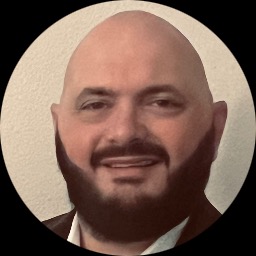
James Saxton is a Licensed Clinical Social Worker (LCSW) practicing in Texas with five years of experience. He works with men around stress, anxiety, addictions, trauma, sleep problems, depression, relationship strain, grief, anger, and self-esteem concerns. He also addresses attachment issues, codependency, communication and control problems, and process addictions such as porn or gambling.
James keeps sessions straightforward and focused on practical change. He asks about what’s happening now and what someone wants to be different. Conversations aim to build awareness of patterns and to try small, doable changes that fit everyday life. He frames work as a partnership and checks in about what is or isn’t helpful.
In practice he uses evidence-based therapeutic techniques and adapts them to a client’s goals. That can mean looking at beliefs that keep someone stuck, developing new ways to manage strong emotions, or working through past events that still cause trouble. He also helps with issues tied to substance use and recovery.
People who come for help can expect clear talk about what they want to change and steps to get there. James pays attention to motivation and readiness, and plans progress in manageable stages. He invites honest feedback so sessions stay useful and practical.
He provides services in English from Texas. Sessions use a subscription that can be canceled at any time. To start, users complete a short matching questionnaire and schedule a first session via the platform button.
Therapeutic approaches and how online work fits in
James uses several evidence-based techniques to address symptoms and behavior patterns. Cognitive-behavioral style work looks at unhelpful thoughts and teaches practical skills for managing anxiety, low mood, panic, and sleep problems. This approach focuses on changing thinking and behavior patterns that keep problems active.He also draws on trauma-informed techniques to help process past hurts that continue to affect daily life. This work helps people reduce reactivity, manage intense emotions, and rebuild confidence after traumatic or abusive experiences.
Finding the right approach is part of the process. The therapist discusses goals and preferences and together they decide which methods fit best. That collaborative plan is reviewed and adjusted as progress is made.
The therapist's biography does not list specific online session formats, so confirm available options before booking. Online sessions can make it easier to fit therapy into a busy week, allow shorter check-ins when needed, and remove travel time. Many men use remote sessions to work through work stress, anger, relationship issues, or addictive patterns without rearranging their whole day.
Areas of expertise
Primary focus
Also works with
Additional focus areas
Experience
5+ years
Credentials
Texas
Languages
English
Frequently asked questions
What concerns does he focus on?
He works with stress, anxiety, depression, anger, sleep problems, grief, relationship strain, and a range of addiction and trauma-related issues.
How does he approach therapy?
He uses evidence-based therapeutic techniques and focuses on practical steps. Sessions emphasize awareness, testing new behaviors, and adjusting the plan together.
How much experience does he have?
He has five years of clinical experience working with men on mental health and addiction concerns.
What are his credentials and where is he based?
He is an LCSW licensed in Texas and provides services from Texas.
Can I work with him if I live outside the US?
Sessions are offered in English and he is not currently accepting international clients.
Which session formats does he offer?
The original biography does not list specific session formats. Confirm current session options before booking.
How does billing and cost work?
Cost varies with location and sessions use a subscription model that can be canceled at any time.
What do I do to get started?
Select the See online therapy options button, complete the short matching questionnaire, and schedule a first session.
Before you get in touch
- Check that the license on record covers the state you live in.
- If a topic or approach matters to you, ask how this counselor works with it.
- You don't need to have it all worked out. Saying what has been going on lately is a fine place to start.
- A profile shows the topics a counselor lists; it is not a diagnosis or a promise of results.