- Stress and anxiety
- Addiction and recovery
- Anger and relationships
About Jonathan
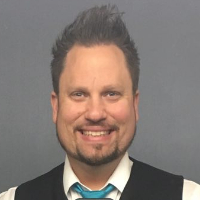
LCSW Jonathan Nelson III is a Licensed Clinical Social Worker in Florida with 12 years of experience. He works with men around stress, anxiety, addictions, relationships, anger, self-esteem, parenting, fatherhood issues, trauma and abuse, grief, depression, ADHD, sleep and eating concerns, and career or life transitions.
Jonathan writes plainly about the difficulty of admitting you need help. He points out how easy it is to keep going on autopilot, to hide pain, or to push through so others won’t worry. In sessions he encourages people to stop just surviving and start making intentional choices about thoughts, feelings, and actions.
His clinical work draws on approaches such as Acceptance and Commitment Therapy, Client-Centered Therapy, and Cognitive Behavioral Therapy, along with Motivational Interviewing and Solution-Focused Therapy. That mix is used to address practical problems like substance use, communication troubles, anger, and coping with loss or trauma.
Jonathan has worked in nonprofit settings, correctional facilities, independent practice, and with the U.S. Department of Veterans Affairs. He has experience in clinical administration, supervision, and mentoring as well as one-on-one psychotherapy.
He writes directly to men who may feel stuck or unwilling to ask for help, urging a decision to engage and do the difficult work. To begin, he asks prospective clients to select the online therapy options and complete a short matching questionnaire before scheduling the first session.
How therapeutic approaches translate to online sessions
Acceptance and Commitment Therapy (ACT) focuses on noticing thoughts and choosing actions that match your values. It can help with anxiety, avoidance, and feeling stuck. Cognitive Behavioral Therapy (CBT) looks at links between thoughts, feelings, and behavior and helps build practical skills for mood, sleep, and stress. Motivational Interviewing is a collaborative way to increase readiness for change and is often used when addressing substance use or behavior change.Finding the right approach is part of the work. Jonathan will talk with each person about goals, preferences, and which methods might fit best. He treats this as a team effort and adjusts the plan based on how things are going in sessions.
Confirm the current session formats before booking, as the biography does not list explicit options. Online work can make it easier to fit sessions into a busy life - for example a shorter check-in during a lunch break, avoiding travel time, or choosing a session that does not require being on camera. Ask about the available formats when you schedule so you can pick what fits your routine.
Areas of expertise
Primary focus
Also works with
Additional focus areas
Therapeutic approaches
Experience
12+ years
Credentials
Florida
Languages
English
Frequently asked questions
What concerns does he focus on?
He works with stress, anxiety, addictions, relationships, anger, self-esteem, parenting and fatherhood issues, trauma and abuse, grief, depression, ADHD, sleep and eating concerns, career changes, and coping with life transitions.
What style of therapy does he use?
He uses Acceptance and Commitment Therapy, Client-Centered Therapy, Cognitive Behavioral Therapy, Motivational Interviewing, and Solution-Focused Therapy to address thoughts, behaviors, and practical steps forward.
How much clinical experience does he have?
He has 12 years of experience working in clinical administration, supervision, mentoring, nonprofit settings, correctional facilities, independent practice, and with the U.S. Department of Veterans Affairs.
What are his credentials and where is he based?
He holds the credential LCSW and practices in Florida as FL LCSW.
Which languages are sessions offered in?
Sessions are offered in English only.
Can international clients work with him?
He does not accept international clients at this time.
How are sessions paid for and what does it cost?
Cost varies with location. Sessions use a subscription model that can be canceled at any time.
How do I get started?
Select the See online therapy options button, complete the short matching questionnaire, and schedule a first session.
Before you get in touch
- Check that the license on record covers the state you live in.
- If a topic or approach matters to you, ask how this counselor works with it.
- You don't need to have it all worked out. Saying what has been going on lately is a fine place to start.
- A profile shows the topics a counselor lists; it is not a diagnosis or a promise of results.