- Stress and anxiety
- Parenting and fatherhood
- CBT and DBT methods
About Michael
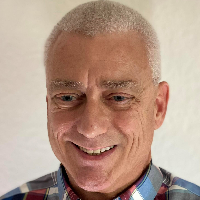
Michael Davis is an LCSW (Licensed Clinical Social Worker) with 19 years of experience. He lists stress, anxiety, trauma and abuse, anger, depression, addictions, relationship and parenting concerns among his core areas. He also notes work related to LGBT issues, ADHD, grief, family problems and fatherhood issues.
He uses a direct, engaged style that focuses on practical steps. Sessions aim to identify what’s getting in the way and build clear strategies to change patterns. He combines client-centered work with cognitive behavioral and dialectical behavior ideas to keep sessions goal-focused and useful.
Much of his earlier work involved in-home therapy with children and parents after abuse, neglect and loss. That background informs how he supports people dealing with trauma, attachment and family-of-origin problems. He also has experience helping with substance use and codependency concerns.
Michael emphasizes collaboration. He works with people to pick methods that fit their needs and then stays on task with interventions tied to their goals. Expect practical tools for managing anger, anxiety, low mood and stress, plus work on communication and parenting challenges.
He practices in Florida and offers services in English. The site’s booking flow asks you to complete a short matching questionnaire before scheduling a first session. Sessions use a subscription that can be canceled at any time.
How his approaches are used online
Client-Centered Therapy focuses on understanding each person's perspective and building a collaborative relationship. It helps when someone needs space to talk things through and decide what matters most to them.Cognitive Behavioral Therapy (CBT) targets unhelpful thoughts and behaviors with clear skills and exercises. It is useful for anxiety, depression, anger, and coping with life changes because it gives practical steps to try between sessions.
Dialectical Behavior Therapy (DBT) offers concrete skills for managing intense emotions and improving interpersonal effectiveness. It can help with anger, self-regulation, and relationship problems by teaching steadying techniques and communication tools.
Finding the right mix of approaches is part of the work. The therapist will collaborate with the client to pick methods that fit their goals and preferences, and adjust them as progress is made. That means trying techniques, reviewing what helps, and shifting focus when needed.
Confirm current session formats before booking since formats were not specified in the biography. Online work can make it easier to fit appointments around work and family commitments, allow shorter check-ins when schedules are tight, and reduce travel time. Talk with him through the platform’s scheduling and questionnaire steps to learn which session options are available and what will work best for everyday life.
Areas of expertise
Primary focus
Also works with
Additional focus areas
Therapeutic approaches
Experience
19+ years
Credentials
Florida, Michigan, Kentucky, New York
Languages
English
Frequently asked questions
What problems does he help with?
He works with stress, anxiety, trauma and abuse, anger, depression, addictions, relationship and parenting concerns, and related issues such as ADHD and grief.
How would he describe his therapy style?
His style is engaged and task-focused. He combines client-centered work with practical cognitive behavioral and dialectical behavior techniques.
How much experience does he have?
He has 19 years of clinical experience, including substantial work delivering in-home therapy for children and parents after abuse, neglect and loss.
What are his credentials and where is he based?
He is an LCSW licensed in Kentucky and New York and currently practices from Florida.
Which languages are sessions offered in?
Sessions are offered in English.
Can people outside the US work with him?
He does not accept international clients at this time.
How are sessions paid for?
Sessions use a subscription model that can be canceled at any time and costs vary by location.
How do I begin a first session?
Choose the See online therapy options button, complete the short matching questionnaire, and then schedule a first session through the platform.
Before you get in touch
- Check that the license on record covers the state you live in.
- If a topic or approach matters to you, ask how this counselor works with it.
- You don't need to have it all worked out. Saying what has been going on lately is a fine place to start.
- A profile shows the topics a counselor lists; it is not a diagnosis or a promise of results.