- End of life care
- Caregiver stress
- Men's issues
About Michael
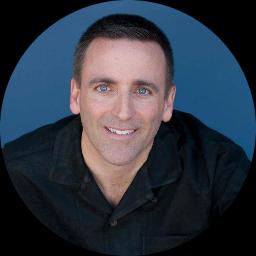
Michael Demoratz is a Licensed Clinical Social Worker (LCSW) in California with 40 years of professional experience. He works with grief, loss, depression, and compassion fatigue and has a particular focus on end-of-life issues and men's concerns.
He has spent decades helping people cope with major life changes and the strain that comes from caregiving and chronic illness. He has published on end-of-life care and offers a series of free videos under the name Dying101 on YouTu.be. His background includes long-term clinical work with people facing serious medical and aging-related challenges.
In sessions he keeps talk direct and practical. He discusses what feels most urgent and then helps set manageable steps forward. That can include talking through feelings of guilt or shame, naming sources of grief, and working on ways to handle ongoing stress or fatigue from caring for others.
He draws on evidence-based therapeutic techniques to address depression, complicated grief, and caregiver stress. He frames treatment around clear goals and reviews progress along the way. He also supports men dealing with life transitions, fatherhood pressures, workplace stress, and losses that can follow major health events.
Michael uses straightforward language and a calm style. He asks about daily routines and coping habits and helps people develop concrete strategies. Before booking, readers should confirm current session options and formats.
Therapeutic approaches and online sessions
He draws on evidence-based therapeutic techniques that focus on managing grief and treating depression. These approaches typically involve identifying distressing thoughts, developing coping strategies, and creating small behavioral changes to reduce symptoms and improve daily functioning.He also works with methods geared to caregiver stress and end-of-life concerns, which help people process loss, handle practical caregiving demands, and address feelings like guilt or shame. These methods often combine emotional processing with problem-solving and planning around medical or hospice issues.
Choosing the right approach is part of the work together. The therapist will talk with the client about goals, preferences, and what feels most useful, then try approaches that fit. That collaborative process shapes the focus of sessions as progress is reviewed.
Confirm the current session formats before booking, since formats were not specified in the biography. Online therapy can make regular check-ins easier to fit into a workday, allow shorter phone or video check-ins when time is tight, and remove travel time so appointments are simpler to keep. These practical benefits help people maintain consistency while working through grief, depression, or caregiver strain.
Areas of expertise
Primary focus
Also works with
Additional focus areas
Experience
40+ years
Credentials
California
Languages
English
Frequently asked questions
What concerns does he address?
He works with grief, loss, depression, and compassion fatigue. Additional focus areas include aging, cancer, caregiver stress, chronic illness, and men's issues.
What is his therapeutic approach like?
He uses evidence-based therapeutic techniques and keeps sessions practical. Conversations focus on immediate concerns and clear next steps.
How much experience does he have?
He has 40 years of professional experience working in clinical settings and on end-of-life care topics.
What are his credentials and location?
He is a Licensed Clinical Social Worker - LCSW - in California.
Which languages are supported?
Sessions are offered in English.
Can people outside the U.S. work with him?
He is not accepting international clients at this time.
How are sessions priced?
Cost varies with location; sessions use a subscription that can be canceled at any time.
How do I begin a first session?
Select the See online therapy options button, complete a short matching questionnaire, and schedule a first session.
Before you get in touch
- Check that the license on record covers the state you live in.
- If a topic or approach matters to you, ask how this counselor works with it.
- You don't need to have it all worked out. Saying what has been going on lately is a fine place to start.
- A profile shows the topics a counselor lists; it is not a diagnosis or a promise of results.