- Men's issues
- Relationship conflict
- Parenting and fatherhood
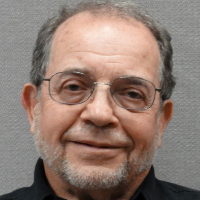
About Michael
LCSW-C social worker in Maryland with 15 years of experience, Michael Misterka helps with stress, anxiety, relationships, parenting, anger, addictions, trauma, grief, and men's wellbeing concerns. He names practical change as the goal and focuses on what clients want to change in their lives.
Michael uses an approach centered on the person in front of him. He encourages open, direct conversation about goals and methods. Clients decide which changes to pursue and he supports those choices without pushing an agenda.
His work draws on attachment-based ideas, client-centered practices, emotionally-focused methods, motivational interviewing, and psychodynamic thinking. That mix is used to address relationship patterns, fatherhood and blended-family tensions, and problems linked to addiction or trauma.
Sessions tend to focus on concrete steps and decision-making. He helps people talk through family of origin issues, communication problems, divorce and separation, guilt and shame, and isolation. Practical coping strategies and clearer thinking about relationships are common topics.
Michael has detailed experience with substance use, domestic violence consequences, and reentry after incarceration, alongside common concerns like depression, ADHD, and career stress. He works in English and does not accept international clients. To start, a short matching questionnaire is used before scheduling a first session.
How his approaches fit remote sessions
Attachment-based work looks at how early relationships affect present behavior and feelings. In therapy this helps people understand patterns in relationships, fatherhood concerns, and how family history influences reactions to stress.Client-centered therapy focuses on the person's own goals and pace. The therapist listens, reflects, and helps clients clarify what they want to change, which suits men who prefer straightforward, goal-focused conversations.
Emotionally-focused methods help people name and move through strong emotions in relationships. That approach is often used for intimacy-related issues, communication problems, and repairing close connections.
Finding the right approach is part of the work. The therapist will discuss goals and preferences and together decide which methods to try first. That collaborative process can include adjusting techniques as needs change.
The biography does not list specific session formats, so confirm current online options before booking. Online sessions can make it easier to fit therapy into a workday, allow shorter check-ins when needed, and reduce travel time. Licensed professionals often use these practical advantages to help sessions fit everyday life without changing the focus of the work.
Areas of expertise
Primary focus
Also works with
Additional focus areas
Therapeutic approaches
Experience
15+ years
Credentials
Maryland
Languages
English
Frequently asked questions
What concerns does he work with?
He supports people with stress, anxiety, relationship problems, parenting and fatherhood issues, anger, addictions, trauma, grief, depression, ADHD, and related men's wellbeing topics.
How would you describe his therapeutic style?
He takes a client-centered approach that emphasizes open discussion and shared decision making. Sessions focus on practical changes clients want to make.
How much experience does he have?
He has 15 years of counseling experience working with relationship conflict, trauma, substance issues, and common mental health concerns.
What are his credentials and where is he based?
He holds the LCSW-C credential in Maryland and practices there.
Which languages are sessions offered in?
Sessions are offered in English.
Does he work with clients outside the United States?
He does not accept international clients.
How are fees handled?
Cost varies with location and sessions use a subscription model that can be canceled at any time.
What are the first steps to begin?
Select the See online therapy options button, complete a short matching questionnaire, and schedule a first session.
Before you get in touch
- Check that the license on record covers the state you live in.
- If a topic or approach matters to you, ask how this counselor works with it.
- You don't need to have it all worked out. Saying what has been going on lately is a fine place to start.
- A profile shows the topics a counselor lists; it is not a diagnosis or a promise of results.