- CBT methods
- Motivational interviewing
- Client-centered focus
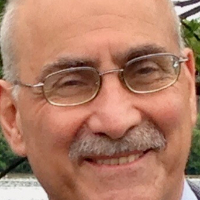
About Michael
Michael Ruberton is a Licensed Clinical Social Worker (LCSW) in Missouri with over 40 years of experience. He works with stress, anxiety, trauma and abuse, anger, self-esteem, addictions, relationships, family concerns, grief, intimacy-related issues, bipolar disorder, depression, coping with life changes, and ADHD. He also lists additional focus areas including aging and geriatric issues, codependency, family of origin problems, men's issues, mood disorders, self-harm, and sexual assault and abuse.
He has provided family, individual, and group counseling in homes, offices, and institutional settings. He has worked with adult and child clients and has experience addressing trauma and abuse with both victims and people who have committed abusive acts. He has also worked with mood disorders over many years.
His approach emphasizes the client leading the work. He uses Client-Centered Therapy principles and draws on cognitive behavioral methods and motivational interviewing to help people set and reach practical goals. Sessions focus on clear conversation about what a person wants to change and which steps feel doable.
He notes that many men benefit from straightforward space to choose goals and make decisions. In practice this means listening, reflecting what matters, and suggesting concrete strategies when appropriate. That can include skill-building for managing anger, tools for handling anxiety, or short-term plans to address addictive behaviors.
Over four decades of practice have given him a wide range of experience with life transitions and relationship difficulties. People who come for help can expect a calm, direct style that prioritizes the client’s goals and practical next steps.
How his therapeutic approaches translate to online work
Client-Centered Therapy puts the person's concerns and choices at the center. In practice this means the therapist listens closely, reflects what matters most, and follows the client's lead on priorities. It is helpful for people who want to set their own goals and decide how fast to move.Cognitive Behavioral Therapy (CBT) looks at links between thoughts, feelings, and actions. It uses clear strategies such as activity planning, thought records, and behavioral experiments to reduce anxiety, manage mood, and address unhelpful habits. That makes it useful for stress, anxiety, depression, and some addiction-related goals.
Motivational Interviewing is a short-term, goal-oriented way of talking that helps people resolve mixed feelings about change. It focuses on strengthening personal motivation and building practical next steps for things like cutting back on substance use or committing to a new routine.
Finding the right approach is part of the work together. The therapist will discuss which methods seem most helpful based on the client's needs, goals, and preferences. Decisions about pacing and techniques are made collaboratively so sessions match the person's priorities.
The biography does not list specific online formats, so confirm current session options before booking. Online sessions can make it easier to fit counseling into a workday, avoid travel time, and keep check-ins shorter when that's needed. Phone sessions can be useful when a lower bandwidth or no-camera option is preferred, while video sessions allow face-to-face conversation when that helps engagement.
Areas of expertise
Primary focus
Also works with
Additional focus areas
Therapeutic approaches
Experience
40+ years
Credentials
Missouri
Languages
English
Frequently asked questions
What concerns does he address?
He works with stress, anxiety, trauma and abuse, anger, self-esteem, addictions, relationship and family issues, grief, intimacy-related concerns, bipolar and depressive symptoms, coping with life changes, and ADHD.
What therapeutic styles does he use?
He practices Client-Centered Therapy and uses cognitive behavioral methods along with motivational interviewing and solution-focused ideas to set concrete goals.
How long has he been practicing?
He has over 40 years of clinical experience working in home, office, and institutional settings with individual, family, and group counseling.
Where is he based and what are his credentials?
He is an LCSW licensed in Missouri.
Does he work in other languages or with international clients?
Sessions are offered in English and he is not accepting international clients.
Which session formats are available?
The original biography does not specify session formats, so please confirm current online and in-person options before booking.
How are fees handled?
Cost varies with location, and sessions use a subscription that can be canceled at any time.
How do I begin a first session?
Select the See online therapy options button, complete a short matching questionnaire, and schedule a first session.
Before you get in touch
- Check that the license on record covers the state you live in.
- If a topic or approach matters to you, ask how this counselor works with it.
- You don't need to have it all worked out. Saying what has been going on lately is a fine place to start.
- A profile shows the topics a counselor lists; it is not a diagnosis or a promise of results.