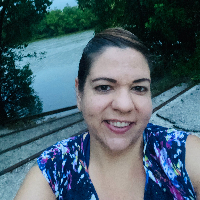
- CBT
- DBT skills
- Motivational interviewing
About Michelle
LCSW Michelle Boyles has 25 years of clinical experience and holds a Florida LCSW. She helps people manage stress, anxiety, addictions, relationship problems, grief, anger, depression, bipolar concerns, compassion fatigue, and issues related to family and life changes. Men looking for straightforward, practical support around work, fatherhood, or feeling low will find a direct approach focused on skills and understanding.
Michelle trained at Georgia State University with a Master of Social Work and holds a bachelor’s degree in psychology from Penn State University. She has worked across inpatient crisis stabilization, residential programs, and outpatient therapy. That background gives her a lot of experience with trauma, mood disorders, substance use, and family conflict.
In sessions she uses methods that emphasize the client’s voice and practical steps. That includes Client-Centered Therapy, Cognitive Behavioral Therapy, Dialectical Behavior Therapy, mindfulness techniques, and Motivational Interviewing. Conversations tend to focus on building coping skills, changing unhelpful thinking patterns, and learning strategies to reduce impulsivity and substance-related harm.
She has worked with children, teens, adults, and geriatrics in a variety of settings, and with individual clients, couples, and families. Her practice emphasizes education and concrete strategies so clients can use what they learn between sessions.
Readers in Florida should note her licensure is FL LCSW. Sessions are conducted in English. Men who want clear, practical support around relationships, stress, or life changes can follow the site process to match and schedule a first appointment.
How therapeutic approaches shape online sessions
Michelle often uses Cognitive Behavioral Therapy to help people spot and change unhelpful thinking patterns. CBT sessions tend to include concrete exercises and homework to practice skills between meetings, which can help with anxiety, depression, and anger.She also draws on Dialectical Behavior Therapy skills to teach emotional regulation, distress tolerance, and better interpersonal effectiveness. DBT skills are useful when impulsivity, strong emotions, or relationship conflict are part of the concern.
Finding the right approach is part of the work together. The therapist will review the client’s goals, preferences, and needs and suggest which methods to try. That decision is collaborative and can be adjusted as sessions continue.
The site describes how to start and schedule sessions, but confirm current session options before booking since session formats are not specified here. Online work can make it easier to fit sessions into a busy week, allow shorter check-ins when needed, and reduce travel time. Talk with the therapist about what will fit your routine and which approach to try first.
Areas of expertise
Primary focus
Also works with
Additional focus areas
Therapeutic approaches
Experience
25+ years
Credentials
Florida
Languages
English
Frequently asked questions
What concerns does she address?
She works with stress, anxiety, addictions, trauma, relationship issues, grief, anger, depression, bipolar concerns, and related family and life changes.
What is her therapeutic style?
She combines Client-Centered Therapy with practical approaches like CBT and DBT skills, plus mindfulness and Motivational Interviewing to build coping strategies.
How much experience does she have?
She has 25 years of clinical experience and has held a master’s level license since 2001.
What are her credentials and location?
She is an LCSW licensed in Florida (FL LCSW) and practices from Florida.
Which languages are supported?
Sessions are offered in English.
Can international clients work with her?
She does not accept international clients at this time.
How are sessions priced?
Cost varies with location; sessions use a subscription that can be canceled at any time.
How do I begin a first session?
Select the See online therapy options button, complete the short matching questionnaire, and schedule a first session.
Before you get in touch
- Check that the license on record covers the state you live in.
- If a topic or approach matters to you, ask how this counselor works with it.
- You don't need to have it all worked out. Saying what has been going on lately is a fine place to start.
- A profile shows the topics a counselor lists; it is not a diagnosis or a promise of results.