- Stress and anxiety
- Addictions support
- Communication help
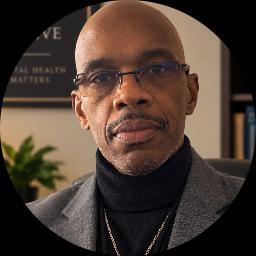
About Patrick
Patrick Scott is an LPC (Licensed Professional Counselor) licensed in Connecticut with 20 years of professional experience. He helps people manage stress, anxiety, depression, addiction concerns, relationship problems, and life changes, including issues specific to men and midlife transitions. Patrick writes plainly with men in mind and aims to make starting therapy straightforward.
He focuses on practical conversations about what’s happening now. Sessions center on naming problems, spotting patterns, and trying small changes that fit daily life. Patrick supports work on communication breakdowns, codependency, substance use struggles, and recovering after infidelity.
His approach is direct and solution-focused. He listens, asks clear questions, and suggests concrete steps to try between sessions. That can mean practicing new ways to bring up hard topics, creating routines to reduce stress, or planning safer responses when cravings or anger hit.
Patrick has two decades of experience in clinical settings. He draws on approaches that have evidence behind them and adapts them to what each person prefers and needs. He aims to make sessions useful from the first few meetings.
For a man who has never tried therapy, Patrick offers straightforward talk without jargon. He can help sort out work pressure, parenting strain, relationship strain, or the low mood that follows big life changes. To start, follow the booking steps to match and schedule a first session.
How evidence-based approaches work in online sessions
Evidence-based therapeutic techniques often focus on clear skills and steps you can practice. One common approach teaches coping skills to manage anxiety and stress through breathing, activity scheduling, and breaking problems into smaller parts. It helps when worry or pressure feels overwhelming.Another commonly used method focuses on behavior and thought patterns. It looks at unhelpful thinking, tests those thoughts against reality, and tries new behaviors to see if things improve. That style is useful for depression, relationship issues, and many everyday struggles.
Finding the best approach is part of the work. Patrick will talk with each person about goals and preferences and decide together which techniques to try. The therapist checks in and adjusts the plan as needed so the work fits your life.
The biography does not specify session formats, so confirm current options before booking. Online sessions can make scheduling easier and help fit therapy into work or family routines. They also let people choose shorter check-ins or full-length meetings depending on what's needed that week.
Areas of expertise
Primary focus
Additional focus areas
Experience
20+ years
Credentials
Connecticut
Languages
English
Frequently asked questions
What concerns does he help with?
He works with stress, anxiety, depression, relationship problems, addictions, and coping with life changes. He also focuses on codependency, communication issues, infidelity, men's issues, and midlife concerns.
What is his general approach in sessions?
Sessions are direct and practical. He asks straightforward questions, helps identify patterns, and suggests doable steps to try between meetings.
How much experience does he have?
He has 20 years of professional work experience in clinical settings. That background informs a practical, results-oriented style.
What credentials and location are listed?
He is an LPC, licensed in Connecticut. The profile notes his Connecticut licensure and credential as LPC.
Which languages are supported?
Sessions are offered in English. International clients are accepted.
What session formats are available?
The original biography does not list specific session formats. Please confirm current session options before booking.
How does cost and billing work?
Cost varies with location and sessions use a subscription that can be canceled at any time. Exact pricing depends on the selected plan.
How do I get started?
Click the See online therapy options button, complete a short matching questionnaire, and then schedule a first session.
Before you get in touch
- Check that the license on record covers the state you live in.
- If a topic or approach matters to you, ask how this counselor works with it.
- You don't need to have it all worked out. Saying what has been going on lately is a fine place to start.
- A profile shows the topics a counselor lists; it is not a diagnosis or a promise of results.