- Trauma-focused care
- CBT and DBT skills
- EMDR for trauma
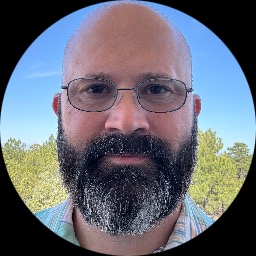
About Paul
Paul Brunner is a licensed clinical social worker with 15 years of experience. He works with stress, anxiety, trauma and abuse, anger, depression, compassion fatigue, LGBT concerns, sleep problems, self-esteem, career issues, bipolar disorder, and ADHD. Paul also focuses on men’s issues, first responder concerns, substance use, and family of origin struggles.
He spent many years in the Army beginning in 1999 as a mental health technician and later served as an Army officer and active duty social worker. During and after his enlistment he completed a Master of Social Work and met licensing requirements in Colorado and North Carolina. He holds the credential LCSW and the CSW designation.
Paul uses practical, skills-based approaches in sessions. He draws on Cognitive Behavioral Therapy and Dialectical Behavior Therapy to help people change reactions and build coping strategies. He also uses Eye Movement Desensitization and Reprocessing for trauma work and mindfulness techniques for stress and sleep issues.
In practice he often combines tools from different methods to match what a person needs in the moment. Sessions tend to focus on clear goals such as reducing panic, improving sleep, managing anger, or addressing trauma memories. He has experience working with veterans and people affected by domestic violence and sexual abuse.
Paul works from Colorado and provides services in English. To start, clients complete a brief matching questionnaire and schedule a first session through the online therapy options button. Costs vary by location and use a subscription that can be canceled at any time.
How Paul uses evidence-based approaches online
Paul commonly draws on Cognitive Behavioral Therapy and Eye Movement Desensitization and Reprocessing in his work. CBT focuses on identifying and changing unhelpful thoughts and behaviors, which can help with anxiety, depression, sleep problems, and anger. EMDR is used to process distressing memories and reduce the emotional impact of trauma.He also brings Dialectical Behavior Therapy skills and mindfulness into sessions to teach emotion regulation, distress tolerance, and present-moment attention. DBT skills can be useful for managing strong emotions and impulsivity, while mindfulness helps with stress and sleep patterns.
Finding the right approach is part of the process. He will work collaboratively to figure out which methods fit a person's goals and preferences, and adjust techniques as needs change. That means trying practical tools early and shifting focus if something is not helping.
Session logistics should be confirmed before booking because specific formats are not listed in the biography. Online work can make it easier to fit sessions into a busy life, reduce travel time, and allow shorter check-ins when needed. If you want to begin, use the online therapy options button to complete the short questionnaire and schedule a first appointment.
Areas of expertise
Primary focus
Also works with
Additional focus areas
Therapeutic approaches
Experience
15+ years
Credentials
North Carolina, Colorado
Languages
English
Frequently asked questions
What kinds of problems does he help with?
He works with stress, anxiety, trauma and abuse, anger, depression, compassion fatigue, sleep problems, self-esteem, career issues, bipolar, ADHD, and men's issues among other concerns.
What style of therapy does he use?
He uses practical, skills-based methods such as Cognitive Behavioral Therapy (CBT), Dialectical Behavior Therapy (DBT), EMDR, mindfulness, and motivational interviewing depending on the need.
How much experience does he have?
He has 15 years of experience in mental health, including service as an Army mental health technician, Army officer, and active duty social worker.
What are his credentials and where does he practice?
He holds LCSW and CSW credentials and practices in Colorado, with licensing history in Colorado and North Carolina.
Does he work in other languages or internationally?
Sessions are offered in English. He is not currently accepting international clients.
Which session formats are available?
Please confirm current session options before booking, as formats are not specified in the biography.
How are fees handled?
Costs vary with location. Sessions use a subscription model that can be canceled at any time.
How do I begin a first session?
Press the See online therapy options button, complete a short matching questionnaire, and then schedule your first session.
Before you get in touch
- Check that the license on record covers the state you live in.
- If a topic or approach matters to you, ask how this counselor works with it.
- You don't need to have it all worked out. Saying what has been going on lately is a fine place to start.
- A profile shows the topics a counselor lists; it is not a diagnosis or a promise of results.