- Stress and anxiety
- Relationship issues
- Men's wellbeing
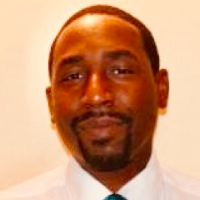
About Robert
Robert Abercrombie is an LPC (Licensed Professional Counselor) based in Wisconsin with three years of clinical experience. He helps people dealing with stress, anxiety, depression, relationship problems, grief, trauma and abuse, and issues tied to intimacy and self-esteem. Men’s wellbeing is listed among his areas of focus, and he also works with concerns like workplace stress, career questions, and coping with life changes.
He uses several therapy methods to match what each person needs. Sessions often involve practical conversation about patterns, thoughts, and behaviors. Robert sees clients as the experts on their own lives and aims to be a clear, collaborative partner in finding the next steps.
His approach can be direct when needed and also includes skills-based work. He draws on Cognitive Behavioral Therapy and Dialectical Behavior Therapy ideas to address thinking patterns and emotional regulation. Motivational Interviewing and Solution-Focused Therapy are used to clarify goals and build momentum toward change.
Robert pays attention to relationship issues such as communication problems, infidelity, divorce and separation, blended family dynamics, and codependency. He also supports people facing social anxiety, sexual concerns, and questions about life purpose.
Sessions are conducted in English. International clients are not accepted. Costs vary by location and use a subscription model that can be canceled at any time. To begin, prospects complete a short matching questionnaire and schedule a first session via the site’s booking flow.
How his approaches translate to online work
CBT, or Cognitive Behavioral Therapy, focuses on identifying unhelpful thinking and changing behavior patterns. It is practical and often used for anxiety, depression, and workplace stress. DBT, Dialectical Behavior Therapy, teaches emotion regulation and distress tolerance skills and can help with strong emotional reactions and relationship conflict.Finding the right approach is part of the process. Robert will work with each person to decide which methods fit their goals and preferences. That process is collaborative and may combine techniques from different approaches to address presenting problems and short-term goals.
Session formats are not specified in the biography, so confirm current options before booking. Online work can make it easier to fit sessions into a busy week, allow shorter check-ins when schedules demand, and reduce travel time. Therapists and licensed professionals often use practical tools in sessions that translate well to remote conversations, such as thought records, skills practice, and goal tracking, which helps keep work focused and actionable.
Areas of expertise
Primary focus
Also works with
Additional focus areas
Therapeutic approaches
Experience
3+ years
Credentials
Wisconsin
Languages
English
Frequently asked questions
What concerns does he help with?
He works with stress, anxiety, depression, trauma and abuse, grief, relationship and intimacy issues, self-esteem, bipolar concerns, and life changes.
What is his therapeutic style?
He describes a collaborative, sometimes directive approach that focuses on practical conversation and skills. The therapist aims to help clients identify what is holding them back and map next steps.
How much experience does he have?
He has three years of experience as an LPC in clinical practice.
Where is he based and what credential does he hold?
He is based in Wisconsin and holds the LPC credential, listed as WI LPC.
Which languages are supported?
Sessions are offered in English.
Can international clients work with him?
He does not accept international clients at this time.
How are sessions paid for?
Costs vary with location and use a subscription that can be canceled at any time.
What are the steps to get started?
Use the See online therapy options button, complete a short matching questionnaire, and then schedule your first session through the site.
Before you get in touch
- Check that the license on record covers the state you live in.
- If a topic or approach matters to you, ask how this counselor works with it.
- You don't need to have it all worked out. Saying what has been going on lately is a fine place to start.
- A profile shows the topics a counselor lists; it is not a diagnosis or a promise of results.