- Cognitive Behavioral Therapy
- EMDR for trauma
- Public safety support
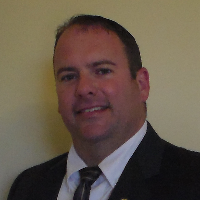
About Robert
Dr. Robert Cipriano Jr is a CA Psychologist 32975 and NC Psychologist 5348 with 20 years of clinical experience. He works with men dealing with stress, anxiety, addictions, relationship and family concerns, depression, trauma, grief, anger, sleep problems, parenting and issues around intimacy and self-esteem.
He uses straightforward, evidence-based approaches in session. Cognitive Behavioral Therapy (CBT) is a core method he applies to help people spot unhelpful thinking and change behaviors. Over the past two years he has also been offering Eye Movement Desensitization and Reprocessing (EMDR) for trauma-related symptoms.
Much of his work has been connected to public safety and trauma settings. He has provided psychological services in trauma intensive care and inpatient behavioral health, and has carried out many critical incident stress debriefings for staff. He has also worked directly with police departments as an in-house psychologist supporting crisis negotiation teams and building wellness programs for sworn and civilian personnel.
He has supported victims and first responders after major incidents and contributed to training on active shooter dynamics, school violence, and bullying. That training material is used with clinicians, educators, administrators and public safety professionals.
In sessions he aims to address practical problems such as coping with life changes, work stress, parenting demands, and rebuilding after traumatic events. Men looking for clear, goal-oriented help with everyday pressures and trauma responses may find his background relevant.
How CBT and EMDR translate to online work
CBT helps people notice patterns in their thoughts and behaviors and then practice new ways of responding. It focuses on concrete skills like problem solving, behavior experiments, and managing worry which translate well to talk-based sessions and homework between meetings.EMDR is a therapy used for trauma-related symptoms that involves structured recall of distressing memories alongside guided bilateral stimulation. In practice it is aimed at reducing the intensity of traumatic memories and the reactions they trigger, and it can be adapted to an online setting under a trained therapist's guidance.
Finding the right method is part of the work. He will discuss CBT, EMDR, or a mix of approaches and choose what fits the client's goals, needs, and preferences. That decision is collaborative and may change as progress is made.
Confirm which session formats are currently offered before booking, as options are not listed here. Online sessions can make it easier to fit therapy into a workday, reduce travel time, and allow shorter check-ins when needed. Licensed professionals often use those benefits to help people maintain regular work on stress, trauma recovery, and everyday problems.
Areas of expertise
Primary focus
Also works with
Additional focus areas
Therapeutic approaches
Experience
20+ years
Credentials
Florida, North Carolina, California
Languages
English
Frequently asked questions
What concerns does he address?
He works with stress, anxiety, addictions, depression, trauma and abuse, grief, anger, sleep problems, parenting and men's issues among other areas.
What therapy approaches does he use?
He primarily practices Cognitive Behavioral Therapy (CBT) and has been offering Eye Movement Desensitization and Reprocessing (EMDR) for trauma symptoms in recent years.
How long has he been practicing?
He has 20 years of experience working in clinical and public safety settings.
What are his credentials and where is he based?
He is listed as CA Psychologist 32975 and NC Psychologist 5348 and practices from Florida.
Which languages are offered?
Sessions are offered in English.
Does he work with international clients?
He does not accept international clients at this time.
How are sessions scheduled and paid?
Cost varies with location; sessions use a subscription that can be canceled at any time.
How do I begin a first session?
Select the See online therapy options button, complete a short matching questionnaire, and schedule a first session.
Before you get in touch
- Check that the license on record covers the state you live in.
- If a topic or approach matters to you, ask how this counselor works with it.
- You don't need to have it all worked out. Saying what has been going on lately is a fine place to start.
- A profile shows the topics a counselor lists; it is not a diagnosis or a promise of results.