- Stress and anxiety
- Parenting and fatherhood
- CBT and mindfulness
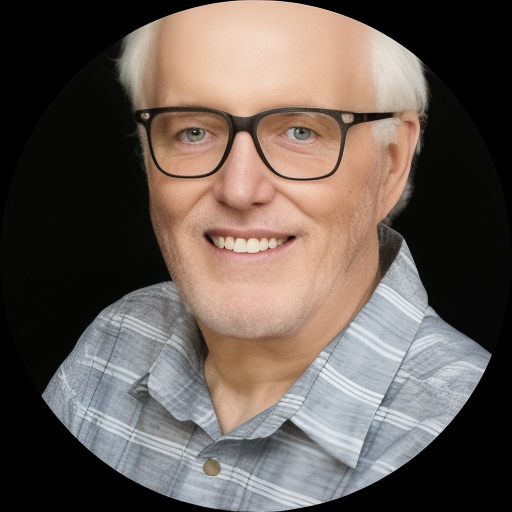
About Robert
Robert Hoopingarner is a Licensed Professional Counselor in Arizona (LPC) and a Licensed Professional Clinical Counselor in Ohio (LPCC) with 26 years of experience. He lists stress, anxiety, family conflict, career worries, depression, addictions, parenting concerns, anger, and life changes among the issues he addresses. He also notes work with LGBT concerns, trauma and abuse, grief, bipolar issues, ADHD, and compassion fatigue.
He uses a person-centered approach that keeps the conversation focused on the client's priorities. Sessions are interactive and aim to create clear goals. He blends practical strategies with listening to help people notice what changes might work for them.
His methods include cognitive behavioral techniques to spot patterns that make problems stick. He also draws on emotionally focused work for relationship concerns and mindfulness practices to manage stress and strong emotions. These approaches are used together to address both immediate coping needs and longer-term patterns.
Robert has experience with individual, couples, family, and group settings and has worked in-office and online. He emphasizes respect and avoids stigmatizing labels while helping clients sort through grief, insomnia, addiction, adjustment, and work-related stress.
Many men find his direct, straightforward style useful when facing parenting pressures, career strain, anger, or feeling low. He aims to help people set practical steps and then check progress over time.
To begin, he asks prospective clients to use the online matching process and schedule a first session so they can discuss goals and decide on an approach that fits their needs.
How his approaches work for online sessions
Client-Centered Therapy focuses on listening and working from what the client brings. It helps people clarify goals and feel understood while deciding what to change. Cognitive Behavioral Therapy (CBT) looks at thoughts and behaviors that keep problems going and teaches practical strategies to test and change them. Emotionally-Focused Therapy (EFT) concentrates on patterns in relationships and helps partners or individuals notice and shift emotional responses.Finding the right approach is part of the work. He will collaborate with each person to choose which methods fit their goals and day-to-day life. That choice can change over time as progress is reviewed and new challenges appear.
The original biography states he has worked online, but session formats are not listed here. Confirm current session options before booking. Online sessions can make it easier to schedule brief check-ins, avoid extra travel time, or join from a quieter spot when needed. The therapist will discuss practical arrangements during the matching and scheduling steps so sessions fit into everyday life.
Areas of expertise
Primary focus
Also works with
Additional focus areas
Therapeutic approaches
Experience
26+ years
Credentials
Arizona, Ohio
Languages
English
Frequently asked questions
What concerns does he work with?
He lists stress, anxiety, depression, addictions, family and relationship issues, parenting, anger, grief, trauma and abuse, bipolar concerns, ADHD, and related life changes.
What is his therapeutic style?
He uses a person-centered and interactive style that focuses on the client's priorities. He blends practical strategies and listening to set and track goals.
How much experience does he have?
He has 26 years of experience working in counseling since 1987 across multiple settings and client concerns.
What credentials and location are listed?
He holds LPCC and LPC credentials and practices in Arizona while also holding an Ohio LPCC credential.
Which languages are supported?
Sessions are offered in English.
Does he work with international clients?
He is not currently accepting international clients.
How are sessions billed?
Cost varies with location and sessions use a subscription that can be canceled at any time.
How do I start a first session?
Select the See online therapy options button, complete the short matching questionnaire, and schedule a first session to discuss goals and next steps.
Before you get in touch
- Check that the license on record covers the state you live in.
- If a topic or approach matters to you, ask how this counselor works with it.
- You don't need to have it all worked out. Saying what has been going on lately is a fine place to start.
- A profile shows the topics a counselor lists; it is not a diagnosis or a promise of results.