- Stress and anxiety
- CBT and DBT tools
- Mindfulness practices
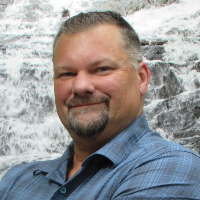
About Robert
Vermont Licensed Clinical Mental Health Counselor (LCMHC) with 15 years of experience, Robert Wubbenhorst helps men address stress, anxiety, depression, trauma, anger, relationship strains, and work-related pressure. He also supports concerns like addictions, sleep problems, grief, intimacy issues, and career transitions. Robert presents himself plainly and directly, for men who may be unsure about starting therapy.
Robert uses straightforward, practical conversations to help people notice recurring patterns and try different ways of responding. He listens for what gets in the way of change and suggests simple exercises to test new habits. Sessions focus on clear goals - reducing distress, improving sleep, managing anger, or sorting next steps at work or home.
His background includes counseling in community mental health, higher education, and independent practice. He has worked with veterans, law enforcement, and adults in varied clinical settings. That range informs how he frames coping skills and problem-solving in everyday terms.
Robert draws on Client-Centered methods, cognitive behavioral tools, dialectical behavior techniques, hypnotherapy elements, and mindfulness practices. He blends these to fit a person’s needs rather than following a single method.
People often come to him feeling stuck or drained and wanting to break old habits. He approaches those concerns with direct talk, practical exercises, and attention to what can change in daily life. If a client and he decide it isn’t the right fit, he supports finding an alternative.
Therapeutic approaches and how online sessions work
Robert commonly uses Client-Centered Therapy, Cognitive Behavioral Therapy (CBT), and mindfulness practices. Client-Centered Therapy focuses on listening and reflecting so a person can find their own path forward. CBT looks at the thoughts and behaviors that keep problems going and uses practical exercises to test new ways of acting and thinking. Mindfulness techniques teach simple attention and breathing practices to reduce reactivity and manage stress. Finding the right mix of approaches is part of the work. Robert will discuss goals and preferences and together decide which methods to try. That collaborative process means approaches can shift as progress and needs change. If you are considering online work, confirm the current session options before booking since formats are not listed here. Online sessions can make it easier to fit therapy into a busy day, allow shorter check-ins when needed, and remove travel time so appointments land between other obligations. They also let a therapist use worksheets, behavioral experiments, and guided mindfulness exercises that translate well over a screen or phone. Ask about available formats when you set up the first appointment so you can pick what fits your routine.Areas of expertise
Primary focus
Also works with
Additional focus areas
Therapeutic approaches
Experience
15+ years
Credentials
Vermont
Languages
English
Frequently asked questions
What problems does he help with?
He supports men with stress, anxiety, depression, trauma, anger, relationship strain, addictions, sleep issues, grief, and career concerns.
What is his therapeutic style?
He uses direct, practical conversations focused on clear goals and everyday exercises to test new ways of coping.
How much experience does he have?
He has 15 years of clinical experience working in community mental health, higher education, and independent practice.
What are his credentials and where does he practice?
He is a Vermont LCMHC and works from Vermont.
Which languages are sessions offered in?
Sessions are offered in English.
Can international clients work with him?
He does not accept international clients at this time.
How are sessions scheduled and paid for?
Cost varies with location and sessions use a subscription that can be canceled at any time.
How do I get started with a first session?
Select the See online therapy options button, complete a short matching questionnaire, and schedule a first session.
Before you get in touch
- Check that the license on record covers the state you live in.
- If a topic or approach matters to you, ask how this counselor works with it.
- You don't need to have it all worked out. Saying what has been going on lately is a fine place to start.
- A profile shows the topics a counselor lists; it is not a diagnosis or a promise of results.