- Stress and anxiety
- CBT and DBT techniques
- Parenting and fatherhood
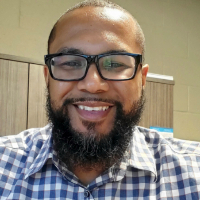
About Rodrecus
Rodrecus Atkinson is a Licensed Professional Counselor (LPC) in South Carolina with 11 years of experience. He works with men on common concerns such as stress, anxiety, depression, relationship problems, parenting strain, anger, and substance use. He also addresses areas like attention difficulties, grief, intimacy issues, and career stress.
Atkinson uses plain, direct conversation and practical tools. Sessions focus on what is happening now and what steps a person can take next. He combines talking, skill practice, and short exercises so people can try new ways of handling hard situations.
His background includes years helping people with mood problems, trauma and abuse, and personality-related struggles. He often draws on cognitive behavioral strategies to challenge unhelpful thinking and build useful habits. Attachment-based ideas guide work on close relationships and intimacy.
Clients can expect a straightforward, interactive style that includes clear feedback and occasional use of humor. He aims to avoid stigmatizing labels and keeps discussions respectful and direct. The approach is practical - small changes add up over time.
Atkinson can help with parenting questions, issues tied to identity and LGBT concerns, and coping after loss or big life changes. He also supports people working through eating or sleeping problems and those dealing with burnout or compassion fatigue.
To start, a man interested in talking about stress, work pressure, fatherhood, or feeling low would find discussions focused on concrete goals and next steps. The first sessions usually clarify priorities and lay out simple strategies to try between meetings.
Therapeutic approaches and online sessions
Acceptance and Commitment Therapy (ACT) helps people notice their thoughts without getting stuck in them, then focus on actions that match their values. It can be useful for anxiety, low mood, and life transitions. Cognitive Behavioral Therapy (CBT) looks at the links between thoughts, feelings, and behavior and teaches practical strategies to change unhelpful patterns; it is often used for anxiety, depression, and stress. Attachment-Based Therapy examines how early relationship patterns affect current connections and works on improving closeness and trust in relationships.Finding the right approach is part of the work. The therapist will talk with the client about goals and preferences and then use the methods that fit best. That way each plan is shaped by what the person needs and wants to try.
Session formats are not listed in the biography, so confirm the current options before booking. Online sessions can make it easier to fit meetings into a busy week, reduce travel time, and allow short check-ins when schedules are tight. They also let people use tools learned in sessions in real life soon after discussing them. The therapist will discuss practical arrangements and help choose an approach that fits your day-to-day routine and goals.
Areas of expertise
Primary focus
Also works with
Additional focus areas
Therapeutic approaches
Experience
11+ years
Credentials
South Carolina
Languages
English
Frequently asked questions
What kinds of problems does he work with?
He helps with stress, anxiety, depression, relationship and parenting concerns, addictions, grief, anger, and related issues such as ADHD and intimacy problems.
What is his therapeutic style?
He uses a direct, interactive approach that mixes talk with practical exercises and skill practice. Sessions include clear feedback and occasional use of humor.
How much experience does he have?
He has 11 years of experience working in counseling and mental health settings.
What are his credentials and where is he based?
He is a Licensed Professional Counselor (LPC) licensed in South Carolina.
Which languages are supported?
Sessions are offered in English.
Can international clients work with him?
He does not accept international clients at this time.
How are sessions scheduled and what about cost?
Cost varies with location; sessions use a subscription that can be canceled at any time. Exact fees are provided during the sign-up process.
How do I get started?
Select the See online therapy options button, complete the short matching questionnaire, and schedule your first session.
Before you get in touch
- Check that the license on record covers the state you live in.
- If a topic or approach matters to you, ask how this counselor works with it.
- You don't need to have it all worked out. Saying what has been going on lately is a fine place to start.
- A profile shows the topics a counselor lists; it is not a diagnosis or a promise of results.