- ACT
- CBT
- DBT
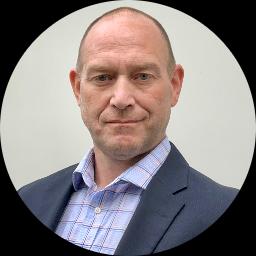
About Shane
Shane Robinson is an LCSW (Licensed Clinical Social Worker) with eight years of experience based in Pennsylvania. He works with men who are dealing with stress, anxiety, depression, relationship problems, anger, addiction, grief, and challenges tied to life change and intimacy. He also lists work with bipolar symptoms and first responder issues among his areas of focus.
Shane uses a mix of practical approaches in sessions. He draws on Acceptance and Commitment Therapy (ACT) to help people clarify values and take action. He uses Cognitive Behavioral Therapy (CBT) to identify unhelpful thoughts and build different habits. Dialectical Behavior Therapy (DBT) tools show up when emotion regulation and distress tolerance are needed.
Sessions are straightforward and goal oriented. Conversations aim to make day-to-day coping easier and improve relationships. He brings concrete skills, reflective listening, and structured exercises into sessions so clients can practice between meetings.
Shane notes additional focus on areas such as abandonment, communication problems, control issues, and isolation. He also supports people working through divorce, family problems, and the emotional fallout from trauma or disaster. Language of service is English and he works from Pennsylvania.
To start, readers are asked to use the site matching process to schedule a first session. The practice uses a subscription model that can be canceled at any time and fees vary with location.
How his approaches work in online sessions
Acceptance and Commitment Therapy (ACT) helps a person name what matters, notice unhelpful thoughts, and take small steps toward valued actions. It suits people who want clearer direction and practical ways to move forward. Cognitive Behavioral Therapy (CBT) focuses on spotting thought patterns that keep problems going and practicing new behaviors to change outcomes. It is useful for anxiety, depression, and stress. Dialectical Behavior Therapy (DBT) offers specific skills for managing strong emotions, reducing impulsive reactions, and improving interpersonal effectiveness.Deciding which approach to use is a collaborative process. The therapist will discuss goals, try techniques, and adjust methods based on what the client finds helpful. That means the plan can change as issues and priorities become clearer.
The biography does not list specific remote session formats, so confirm current options before booking. Online work can make fitting sessions into a busy life easier by removing travel time and allowing sessions during workday breaks or from other locations. Some approaches translate well to shorter check-ins or longer skill-building sessions, and the therapist can suggest a rhythm that matches the client’s schedule and needs.
Areas of expertise
Also works with
Additional focus areas
Therapeutic approaches
Experience
8+ years
Credentials
Pennsylvania
Languages
English
Frequently asked questions
What kinds of concerns does he address?
He supports men with stress, anxiety, depression, relationship and intimacy issues, anger, addiction, grief, and coping with life changes, including work with bipolar symptoms and first responder issues.
What is his general therapy style?
Sessions are practical and skills-focused, combining conversation with exercises and tools to change thinking and behavior.
How much clinical experience does he have?
He has eight years of experience working as a Licensed Clinical Social Worker (LCSW).
Where is he licensed and located?
He holds an LCSW credential in Pennsylvania and practices there.
Which languages are supported for sessions?
Sessions are offered in English.
Can international clients work with him?
He does not accept international clients at this time.
How are fees handled?
Costs vary by location and services use a subscription model that can be canceled at any time.
What should I do to begin?
Use the See online therapy options button, complete the short matching questionnaire, and schedule a first session through the site.
Before you get in touch
- Check that the license on record covers the state you live in.
- If a topic or approach matters to you, ask how this counselor works with it.
- You don't need to have it all worked out. Saying what has been going on lately is a fine place to start.
- A profile shows the topics a counselor lists; it is not a diagnosis or a promise of results.