- Stress and anxiety
- Addiction support
- Relationship skills
About Shawntrell
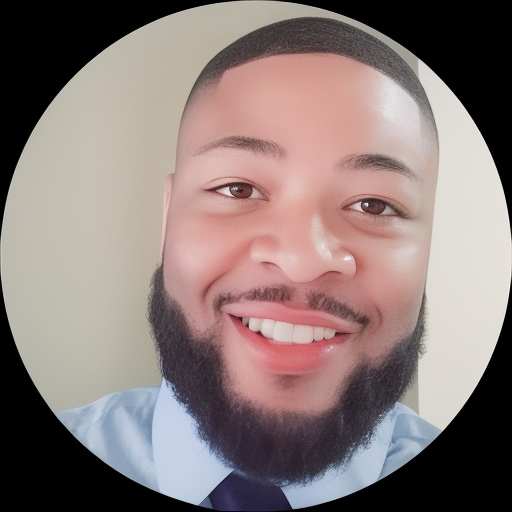
Shawntrell Moore is an Illinois Licensed Clinical Professional Counselor (LCPC) with 17 years of experience helping men manage stress, anxiety, addiction, relationship struggles, family concerns, and trauma and abuse. He talks plainly about the gap between what people do and what they want to live by, and focuses on practical steps to reduce harmful patterns and increase coping skills.
He works with people who are in early recovery or struggling with substance use and offers recovery coaching alongside counseling. Sessions aim to clarify unhelpful thinking, increase self-awareness, and build concrete strategies for daily life. He also supports family members and loved ones who need tools to better help someone who is struggling.
Shawntrell uses approaches that come from trauma-informed care and several evidence-based therapies. He brings Cognitive Behavioral Therapy to help identify and change thinking patterns. He uses Dialectical Behavior Therapy techniques for emotional regulation and distress tolerance. Motivational Interviewing is part of conversations about change and readiness.
In practice he leans on solution-focused work to set short-term goals and track progress. He emphasizes skill-building so clients leave with usable tools. The tone is straightforward and action-oriented, aimed at people who want clear strategies rather than long theory.
He trained at the University of Illinois and holds the LCPC credential. Sessions are conducted in English and are based in Illinois. Prospective clients should confirm current session formats before scheduling.
How evidence-based approaches work in online sessions
Shawntrell often draws on Cognitive Behavioral Therapy to help people spot and shift unhelpful thoughts. CBT focuses on practical exercises and homework that translate easily to web or phone sessions and can help with anxiety, depression, and stress.He also uses Dialectical Behavior Therapy techniques to teach emotional regulation, distress tolerance, and interpersonal effectiveness. DBT skills are taught in short, focused steps that clients can practice between meetings to manage intense feelings and reduce impulsive behavior.
Finding the right approach is part of the work. He will collaborate with each client to choose which techniques fit their situation, goals, and preferences, and adjust methods as progress is made.
The biography does not specify which session formats are currently offered, so confirm available options before booking. Online sessions can make it easier to fit therapy into a busy schedule, allow a quicker check-in during work breaks, or let someone join without commuting. Phone sessions can be a shorter, lower-bandwidth option while video supports face-to-face interaction for skills practice. Licensed professionals can help decide which format matches your needs.
Areas of expertise
Primary focus
Additional focus areas
Experience
17+ years
Credentials
Illinois
Languages
English
Frequently asked questions
What concerns does he help with?
He focuses on stress, anxiety, addiction, relationships, family concerns, and trauma and abuse, plus related issues like attachment and codependency.
What is his therapy style?
He uses a straightforward, skills-based approach drawing on trauma-informed care and practical techniques to change thinking and behavior.
How much experience does he have?
He has 17 years of experience working with people on mental health and recovery concerns.
What are his credentials and location?
He is an Illinois LCPC and trained at the University of Illinois. His practice is based in Illinois.
Does he work in other languages or with international clients?
Sessions are offered in English. He does not accept international clients at this time.
Which session formats does he offer?
The original biography does not list specific session formats; please confirm current session options before booking.
How is cost handled?
Cost varies with location and sessions use a subscription model that can be canceled at any time.
How do I begin a first session?
Choose the See online therapy options button, complete a short matching questionnaire, and schedule your first session.
Before you get in touch
- Check that the license on record covers the state you live in.
- If a topic or approach matters to you, ask how this counselor works with it.
- You don't need to have it all worked out. Saying what has been going on lately is a fine place to start.
- A profile shows the topics a counselor lists; it is not a diagnosis or a promise of results.