- Stress and anxiety
- Trauma and abuse
- Fatherhood issues
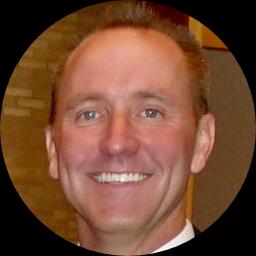
About Stephen
LCSW Stephen Sanders is licensed in Illinois and has more than 20 years of clinical experience. He works with men who are dealing with stress, anxiety, trauma and abuse, anger, low self-esteem, and compassion fatigue. He also helps with fatherhood issues, first responder concerns, addiction, and problems tied to family of origin. Stephen writes plainly and aims to make the first step into therapy straightforward and practical.
Stephen focuses on clear, direct conversations about what is causing trouble now. He listens for patterns that keep problems repeating, and he helps people try small changes to see what shifts. Sessions typically involve talking through reactions, practicing new ways to handle stress or anger, and looking at how past experiences shape present behavior.
With two decades of work in clinical settings, Stephen draws on experience with trauma, addiction, and long-term stress. He pays particular attention to issues that often show up for men, including isolation, purpose, and pressures around fatherhood. His approach is pragmatic and goal-oriented rather than long on theory.
Stephen uses his LCSW training to guide practical steps clients can use between sessions. He encourages straightforward feedback so goals stay relevant and realistic. Men who are wary of therapy will find an approach that speaks plainly about problems and next steps.
To begin, he asks new clients to complete a short matching questionnaire and then schedule a first session. The signup process uses a subscription that can be canceled at any time, and session costs vary with location.
How therapeutic approaches fit into online work
Evidence-based therapeutic techniques mean using methods that focus on changing unhelpful thoughts and behaviors and on processing difficult memories. One common approach helps people recognize patterns of thinking that fuel anxiety and anger, then practices alternative responses to reduce immediate reactivity. Another approach focuses on trauma processing in a stepwise way so distressing memories become less disruptive to daily life.Finding the right approach is part of the work. The therapist will talk with the client about goals, history, and what feels most useful. That discussion guides which techniques to try, and adjustments are made if something doesn’t fit. The process is collaborative and grounded in practical steps you can practice between sessions.
Confirm the current session options before booking. The practical benefits of remote work include fitting sessions into a busy week, shorter check-ins when time is tight, and avoiding travel time. These points make it easier to keep momentum and work steadily on stress, anger, fatherhood matters, or recovery goals without promising a specific format.
Areas of expertise
Primary focus
Additional focus areas
Experience
20+ years
Credentials
Illinois
Languages
English
Frequently asked questions
What kinds of problems does he help with?
He works with stress, anxiety, trauma and abuse, anger, low self-esteem, and compassion fatigue, plus related concerns such as addiction and fatherhood issues.
What is his style in sessions?
Sessions are direct and practical. He focuses on clear conversation, identifying patterns, and trying small changes that clients can use between sessions.
How much clinical experience does he have?
He has over 20 years of professional clinical experience working with trauma, addiction, and long-term stress.
What are his credentials and where is he located?
He is an LCSW licensed in Illinois and practices from that state.
Which languages are offered for sessions?
Sessions are offered in English.
Can people outside the United States work with him?
He accepts international clients; confirm any time zone or licensing questions before booking.
How are sessions paid for and what does it cost?
Session costs vary with location and services. Therapy uses a subscription that can be canceled at any time.
What are the steps to get started?
Click the See online therapy options button, complete a short matching questionnaire, and then schedule a first session.
Before you get in touch
- Check that the license on record covers the state you live in.
- If a topic or approach matters to you, ask how this counselor works with it.
- You don't need to have it all worked out. Saying what has been going on lately is a fine place to start.
- A profile shows the topics a counselor lists; it is not a diagnosis or a promise of results.