- Stress and anxiety
- Anger and impulsivity
- CBT and mindfulness
About Te'Ron
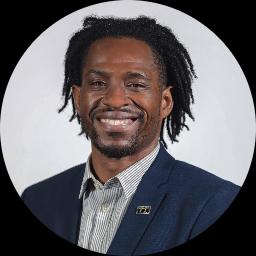
Te'Ron Simmons is a Licensed Professional Counselor (LPC) practicing in Texas with three years of clinical experience. He works with men and others who are dealing with stress, anxiety, depression, anger, self-esteem struggles, and questions about sexuality and identity. He also focuses on issues like forgiveness, guilt and shame, impulsivity, life purpose, and concerns that come up in midlife and young adulthood.
He uses a straightforward, collaborative approach in sessions. Conversations aim to clarify what is happening now and to identify small, practical steps that make life more manageable. He draws on client-centered listening so people can speak openly about what matters to them. He also uses cognitive behavioral techniques to spot unhelpful thinking patterns and develop different responses.
Mindfulness practices are offered to help with stress and emotional regulation. Narrative techniques are used to look at personal stories and how they shape identity and choices. Motivational interviewing is applied when change feels difficult or motivation is low.
Sessions focus on clear goals and gradual behavior change rather than lengthy theory. The work tends to be active and solution-minded, with room for deeper reflection when it’s needed. Progress is measured in practical shifts like better mood, fewer angry reactions, or clearer choices at work or in relationships.
Te'Ron asks clients to take an active role in setting goals and tracking steps between sessions. He encourages people to try techniques in daily life and bring results back for review in the next appointment.
Therapeutic approaches for online sessions
Te'Ron commonly uses client-centered therapy, cognitive behavioral therapy, and mindfulness techniques in his work. Client-centered therapy means listening closely and following the person’s priorities so sessions stay focused on what matters now. Cognitive behavioral therapy looks at thoughts and behaviors that keep problems going and teaches practical skills to change them. Mindfulness therapy teaches simple attention practices to reduce reactivity and manage stress.Deciding which approach to use is a collaborative process. He will talk with the client about goals, try techniques, and adjust based on what helps. The methods are mixed as needed so sessions remain goal-focused and relevant to daily life.
The original biography did not specify particular online formats. Please confirm the current session formats before booking. Online sessions can make it easier to fit therapy into a workday, allow shorter check-ins when time is limited, and reduce the need to travel to an office. A therapist and client can use brief skill practices or longer reflective sessions depending on what fits the client’s schedule and needs.
Areas of expertise
Primary focus
Additional focus areas
Therapeutic approaches
Experience
3+ years
Credentials
Texas
Languages
English
Frequently asked questions
What concerns does he address?
He works with stress, anxiety, depression, anger, self-esteem, and LGBT-related concerns, plus topics like forgiveness, guilt, life purpose, and men's issues.
What is his therapy style like?
Sessions are collaborative and practical. He combines client-centered listening with active techniques to make changes between sessions.
How much experience does he have?
He has three years of professional experience as a Licensed Professional Counselor.
What credential does he hold and where does he practice?
He is an LPC licensed in Texas and practices there.
Can I work with him if I live outside the United States?
Sessions are offered in English and he is not accepting international clients.
Which session formats are offered?
The original profile does not list specific session formats. Please confirm current session options before booking.
How does cost and payment work?
Cost varies with location and sessions use a subscription model that can be canceled at any time.
How do I begin working with him?
Click the See online therapy options button, complete a short matching questionnaire, and schedule a first session.
Before you get in touch
- Check that the license on record covers the state you live in.
- If a topic or approach matters to you, ask how this counselor works with it.
- You don't need to have it all worked out. Saying what has been going on lately is a fine place to start.
- A profile shows the topics a counselor lists; it is not a diagnosis or a promise of results.