- CBT methods
- EMDR for trauma
- Narrative approaches
About Thomas
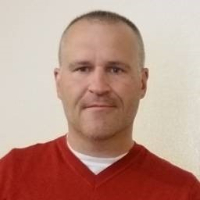
Thomas Smith is a Licensed Clinical Social Worker (LCSW) practicing in Pennsylvania with three years of experience. He works with men on stress, anxiety, relationship concerns, trauma and abuse, grief, depression, addictions, LGBT issues, parenting, anger, self-esteem, career challenges, ADHD and related areas.
He offers straightforward, practical conversations about day-to-day struggles. Sessions focus on what is happening now and what the next steps can be. He uses clear techniques to help people manage symptoms and make changes that fit their lives.
Thomas draws on a mix of approaches to match each person’s needs. He uses Cognitive Behavioral Therapy to look at patterns of thought and behavior. He applies EMDR when trauma processing is appropriate. Narrative work helps people reframe stories they tell about themselves.
He also brings psychodynamic ideas to understand longer-standing patterns that affect current relationships. Solution-Focused methods are used to set short-term goals and track progress. Together these approaches give practical ways to tackle problems like sleep trouble, work stress, or parenting strain.
Thomas aims to work collaboratively so men who haven’t tried therapy before can feel more comfortable asking questions. He practices in Pennsylvania and conducts sessions in English. His LCSW credential is listed as PA LCSW and he works with people on a range of concerns from mood disorders to coping with life changes.
To begin, readers should confirm current session formats and scheduling details before booking.
How his approaches translate to online work
Cognitive Behavioral Therapy (CBT) looks at links between thoughts, feelings and actions. Online CBT typically involves setting concrete goals, tracking symptoms, and practicing new skills between sessions to reduce worry, improve sleep, or manage anger. EMDR focuses on processing traumatic memories using bilateral stimulation alongside talk-based work; online sessions can guide that processing for people coping with trauma or abuse.Finding the right approach is part of the process. Thomas will discuss options and work with each person to decide which methods fit their goals and preferences. That collaborative decision makes it easier to try techniques and adjust them as needed.
The specific session formats for this therapist should be confirmed before booking. Online work can make fitting therapy into a busy schedule easier by reducing travel time and allowing shorter check-ins when needed. It also lets people continue work when relocation or work demands change, while keeping the focus on practical steps to manage stress, relationships, parenting and daily routines.
Areas of expertise
Primary focus
Also works with
Additional focus areas
Therapeutic approaches
Experience
3+ years
Credentials
Pennsylvania
Languages
English
Frequently asked questions
What issues does he help with?
He works with stress, anxiety, relationship challenges, trauma and related concerns including grief, depression, addictions, parenting, anger, self-esteem, career issues and ADHD.
What is his therapeutic style?
He uses practical, goal-oriented conversations and technique-based work to address current problems and set short-term goals.
How much clinical experience does he have?
He holds an LCSW and has three years of experience as listed in his profile.
Where does he practice and what credential does he hold?
He practices in Pennsylvania and is listed as PA LCSW.
Which languages are sessions offered in?
Sessions are offered in English.
Can people outside the U.S. work with him?
He does not accept international clients at this time.
How are sessions paid for?
Cost varies with location; sessions use a subscription that can be canceled at any time.
How do I start a first session?
Select the See online therapy options button, complete a short matching questionnaire, and schedule a first session.
Before you get in touch
- Check that the license on record covers the state you live in.
- If a topic or approach matters to you, ask how this counselor works with it.
- You don't need to have it all worked out. Saying what has been going on lately is a fine place to start.
- A profile shows the topics a counselor lists; it is not a diagnosis or a promise of results.