- Stress and anger
- Fatherhood issues
- CBT and DBT
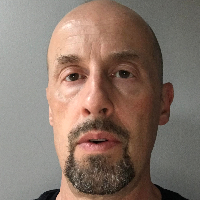
About Thomas
Thomas Zimm is a Licensed Clinical Social Worker (LCSW) with 14 years of experience. He focuses on men's wellbeing concerns such as stress, anger, fatherhood issues, relationships, feeling low, and trauma-related problems. Thomas works with people facing anxiety, depression, grief, addiction, ADHD, and related struggles.
He draws on practical methods rather than labels. Sessions often include skills from Cognitive Behavioral Therapy (CBT) and Dialectical Behavior Therapy (DBT) to manage mood, stress, and strong emotions. He also uses Acceptance and Commitment Therapy (ACT) and attachment-based ideas when the focus turns to relationships and patterns formed in early life.
Thomas has long experience supporting people who have lived through abuse, neglect, domestic violence, separation, loss, homelessness, and substance use. That background informs how he responds to trauma and post-traumatic stress. He works to validate experiences and advocates for clients as they name goals and try new ways of coping.
Sessions are intended to be collaborative. He helps people set clear goals, practice concrete skills, and test changes between sessions. Thomas aims to keep work straightforward and focused on what leads to small, steady improvements in day-to-day life.
He offers services from Illinois and communicates in English. International clients are accepted, and he asks prospective clients to confirm current session options before booking. To start, readers follow the site prompts to complete a short matching questionnaire and schedule a first appointment.
Therapeutic approaches and working online
Thomas often uses Acceptance and Commitment Therapy (ACT) to help people notice difficult thoughts and feelings and focus on actions that match their values. ACT can be useful for anxiety, depression, and struggles with motivation.He also draws on Cognitive Behavioral Therapy (CBT), which breaks problems into thoughts, feelings, and behaviors and teaches practical techniques to change unhelpful patterns. CBT is often applied for stress, mood issues, and anger. Attachment-Based Therapy is part of his work when relationship patterns and early bonds are relevant; it looks at how past relationships shape present responses.
Finding the right approach is part of the work. He will talk with each person about goals and preferences and then use the methods that fit best. This is a collaborative process where techniques are tried and adjusted based on what helps.
Confirm the session formats before booking, since the biography does not list specific formats. Online options can make it easier to fit sessions into a workday, allow shorter check-ins when needed, and remove commute time. Many people find that having sessions where they are already located helps keep therapy consistent alongside family and job commitments.
Areas of expertise
Primary focus
Also works with
Additional focus areas
Therapeutic approaches
Experience
14+ years
Credentials
Illinois
Languages
English
Frequently asked questions
What concerns does he help with?
He works with stress, anxiety, trauma and abuse, grief, anger, depression, addictions, relationship and family concerns, bipolar, compassion fatigue, ADHD, and men's issues.
What is his style in sessions?
He uses a collaborative and supportive approach that focuses on skills and practical steps rather than labels. Sessions mix skills practice with discussion of goals.
How much experience does he have?
He has 14 years of professional experience working with people who have experienced abuse, neglect, domestic violence, loss, and homelessness.
What credentials and where is he based?
He is a Licensed Clinical Social Worker (LCSW) licensed in Illinois and practices from that state.
Which languages are sessions offered in?
Sessions are offered in English and he accepts international clients.
What session formats are available?
Please confirm current session options before booking, as formats are not specified in the biography.
How does pricing work?
Cost varies with location; sessions use a subscription that can be canceled at any time.
How do I get started?
Select the See online therapy options button, complete a short matching questionnaire, and schedule a first session.
Before you get in touch
- Check that the license on record covers the state you live in.
- If a topic or approach matters to you, ask how this counselor works with it.
- You don't need to have it all worked out. Saying what has been going on lately is a fine place to start.
- A profile shows the topics a counselor lists; it is not a diagnosis or a promise of results.