- Stress and anxiety
- Self esteem work
- Acceptance and ACT
About Tonya
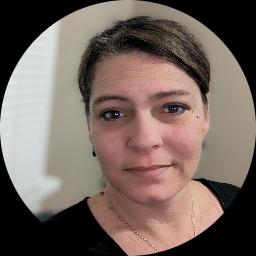
Tonya Boyd is a Licensed Clinical Mental Health Counselor (LCMHC) and Licensed Clinical Professional Counselor (LCPC) with five years of clinical experience. She focuses on stress, anxiety, LGBT concerns, self-esteem, depression, and coping with life changes. Men considering help for work pressure, anger, relationships, or low mood will find straightforward, practical support. Tonya speaks English and practices from Idaho.
Her work aims to help people notice what matters to them and build skills that actually fit day-to-day life. She uses clear strategies from cognitive behavioral methods to spot unhelpful thinking and from acceptance-based work to clarify values and flexible action. Attachment ideas guide conversations about relationships and trust.
Sessions are collaborative and direct. Tonya asks practical questions, suggests experiments to try between meetings, and teaches short skills you can use when stress or old patterns show up. She also addresses issues around body image, caregiver stress, chronic pain or illness, codependency, commitment and communication problems, and separation or divorce.
She has worked with concerns tied to abandonment, avoidant and dependent personality patterns, blended family dynamics, and alternative sexual cultures including kink and BDSM. For people facing disruptive mood patterns such as DMDD or long-term depressive symptoms, she combines skills training with longer-term problem solving.
Getting started means completing a brief matching questionnaire and scheduling a first session. Costs vary by location and sessions use a subscription that can be canceled at any time.
How Tonya uses practical approaches online
Acceptance and Commitment Therapy (ACT) asks what matters to you and then focuses on small actions that align with those values despite difficult thoughts or feelings. It can help with low mood, stress, and making steady changes in everyday life. Cognitive Behavioral Therapy (CBT) looks at thinking patterns and behavior routines that keep problems going. It breaks issues into manageable pieces and teaches skills to respond differently to stress, anxiety, and relationship strain. Finding the right approach is part of the work. Tonya will collaborate with each person to choose methods that fit their goals, needs, and preferences. She checks in about what helps and adjusts the plan so sessions feel useful and practical. Confirm the current session formats before booking because the biography does not list specific online options. When planning sessions, consider how therapy can fit into a busy life - shorter check-ins can work on a break from work, phone-only conversations can be easier when video is difficult, and written check-ins or exercises can help keep momentum between meetings. These kinds of practical arrangements make it easier to use therapy in day-to-day life without changing other commitments.Areas of expertise
Primary focus
Additional focus areas
Therapeutic approaches
Experience
5+ years
Credentials
Texas, Idaho, Florida, Utah
Languages
English
Frequently asked questions
What concerns does he address?
She works with stress, anxiety, depression, self-esteem, LGBT issues, and coping with life changes. Additional areas include communication problems, commitment and codependency concerns.
What style of therapy does she use?
Her approach mixes Acceptance and Commitment Therapy, cognitive behavioral techniques, attachment-based ideas, client-centered conversation, and some dialectical behavior skills. Sessions focus on practical exercises and clear skills.
How much experience does she have?
Tonya has five years of clinical experience working with adults from diverse backgrounds.
What are her credentials and where is she based?
She holds LCMHC and LCPC credentials and practices from Idaho.
Which languages are supported?
Sessions are offered in English.
Can international clients work with her?
She does not accept international clients at this time.
How much do sessions cost?
Cost varies with location and sessions use a subscription model that can be canceled at any time.
How do I begin a first session?
Start by selecting the See online therapy options button, completing a short matching questionnaire, and scheduling your first session.
Before you get in touch
- Check that the license on record covers the state you live in.
- If a topic or approach matters to you, ask how this counselor works with it.
- You don't need to have it all worked out. Saying what has been going on lately is a fine place to start.
- A profile shows the topics a counselor lists; it is not a diagnosis or a promise of results.