- Stress and anxiety
- CBT methods
- Trauma-focused work
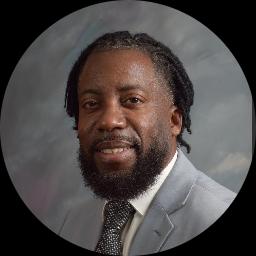
About Will
Will Smith is an LCSW (Licensed Clinical Social Worker) licensed in Illinois with over 10 years of professional experience. He lists stress, anxiety, grief, self-esteem, career concerns, parenting, anger, relationships, and trauma and abuse among the issues he helps people with. Men’s wellbeing and fatherhood are highlighted in his work, and he also mentions supporting people reentering society after incarceration.
He approaches sessions in a straightforward way. He listens to what matters most, identifies practical steps, and works on skills that can be used between meetings. He uses trauma-informed methods and evidence-based techniques to address the effects of past events and current problems.
Will often focuses on concrete problems like communication breakdowns, commitment worries, control issues, and coping with life changes. He also helps with emotions such as guilt, shame, anger, and low self-regard. Sessions include discussion, skill practice, and planning small changes to test in daily life.
He draws on Cognitive Behavioral Therapy and Trauma-Focused Therapy to connect thoughts, feelings, and behaviors. That means looking at unhelpful thinking, trying new responses, and processing difficult experiences at a steady pace. These approaches are used to address issues like post-traumatic stress, infidelity, midlife concerns, and struggles tied to discrimination.
Will aims to work collaboratively and realistically. He encourages straightforward goals and measurable steps. If you want to try therapy, he asks that you complete a short matching questionnaire and schedule a first session to begin.
How his approaches translate to online work
Will uses Cognitive Behavioral Therapy to help people identify unhelpful thoughts and try different responses. CBT is useful for stress, anxiety, low mood, and problems with motivation or self-esteem. Trauma-Focused Therapy is used to address the effects of traumatic experiences by working at a pace that feels manageable and reducing the impact of those memories on daily life.Finding the right approach is part of the process. He will work with each person to choose methods that match their goals and comfort level. That collaboration means checking in about what’s working, adjusting focus, and trying practical exercises between sessions.
Confirm current session options before booking because specific formats are not listed in the biography. Online sessions can make it easier to fit therapy into a workday, reduce travel time, and allow for shorter check-ins when needed. Licensed professionals often use virtual sessions to keep momentum between in-person meetings, practice skills in real time, or maintain contact while managing busy schedules.
Areas of expertise
Primary focus
Also works with
Additional focus areas
Therapeutic approaches
Experience
10+ years
Credentials
Illinois
Languages
English
Frequently asked questions
What kinds of problems does he address?
He helps with stress, anxiety, grief, self-esteem, career concerns, parenting, anger, relationship problems, and trauma and abuse.
How would he describe his approach in sessions?
He uses straightforward, trauma-informed methods and practical skill building. Sessions focus on talking through issues, changing unhelpful thoughts, and practicing new behaviors.
How much clinical experience does he have?
He has over 10 years of professional experience working in clinical settings and community programs.
What are his credentials and where is he based?
He is an LCSW licensed in Illinois and practices from that state.
Which languages are supported for sessions?
Sessions are offered in English.
Can people outside the United States work with him?
He does not accept international clients at this time.
How are sessions paid for?
Cost varies by location and sessions use a subscription that can be canceled at any time.
What does someone need to do to begin?
Use the See online therapy options button, complete a short matching questionnaire, and then schedule a first session.
Before you get in touch
- Check that the license on record covers the state you live in.
- If a topic or approach matters to you, ask how this counselor works with it.
- You don't need to have it all worked out. Saying what has been going on lately is a fine place to start.
- A profile shows the topics a counselor lists; it is not a diagnosis or a promise of results.