
Monica Burgos
LICSWDistrict of Columbia · 24 yrs exp
LICSW - Relationships and Trauma
Relationship · Trauma and abuse · Intimacy-related issues · Self esteem · +4 more
Read profileAn independent directory of US counselors
Need to talk now? Call or text 988Therapist listings come from BetterHelp. We will earn a commission at no extra cost to you if you use our links to buy.
Welcome to our directory of online therapists serving the District of Columbia. All therapists listed on MensCounselors.org are licensed to practice in their jurisdiction. Explore profiles below to learn about each counselor's approaches, focus areas, credentials and languages.
District of Columbia · 24 yrs exp
LICSW - Relationships and Trauma
Relationship · Trauma and abuse · Intimacy-related issues · Self esteem · +4 more
Read profile
District of Columbia · 20 yrs exp
LICSW LCSW - Addictions and Trauma
Addictions · LGBT · Trauma and abuse · Depression · +12 more
Read profile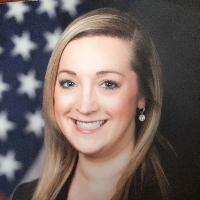
District of Columbia · 15 yrs exp
LICSW - Relationships and Men's wellbeing
Relationship · Family · Trauma and abuse · Self esteem · +12 more
Read profile
District of Columbia · 30 yrs exp
LICSW - Stress and Relationship support
Stress, Anxiety · Relationship · Self esteem · Depression · +12 more
Read profile
District of Columbia · 35 yrs exp
DC Psychologist - Relationships and Men's wellbeing
Relationship · Family · Intimacy-related issues · Self esteem · +12 more
Read profile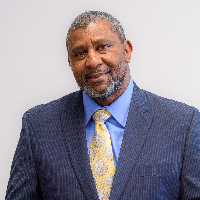
District of Columbia · 25 yrs exp
Licensed Professional Counselor - Stress and Relationships
Stress, Anxiety · Addictions · Family · Trauma and abuse · +13 more
Read profile
District of Columbia · 35 yrs exp
Licensed counselor and marriage therapist - men's concerns
Stress, Anxiety · Relationship · Family · Self esteem · +1 more
Read profile
District of Columbia · 5 yrs exp
Licensed clinical social worker - stress and relationships
Stress, Anxiety · Relationship · Family · Self esteem · +11 more
Read profileOnline therapy has become a common option for people in the District of Columbia who are looking for flexible ways to work with a counselor. You can connect with clinicians who identify as psychologists, licensed clinical social workers, professional counselors or marriage and family therapists, and many list a mix of therapeutic approaches and specialties on their profiles. These profiles often include professional credentials, years of experience, areas of focus such as anxiety or relationship concerns, and the languages the therapist speaks. While some therapists maintain virtual-only practices, others combine online sessions with in-person work. The key difference for you is the convenience of meeting from home or another comfortable environment while still working with a professional who is licensed to practice in the jurisdiction they list.
As you explore online therapy options in the District of Columbia, you will notice a range of counseling styles and specialties. Many therapists list cognitive behavioral therapy, psychodynamic approaches, mindfulness-based practices and EMDR among their approaches, while others emphasize trauma work, men's mental health, couples counseling or life transitions. Because therapists' profiles vary in how they present information, taking time to read several profiles will help you understand which professionals describe experience and approaches that resonate with your needs.
Online therapy offers several practical benefits if you live in the District of Columbia. You do not need to commute across the city, which can save time and reduce the stress of travel between work, family responsibilities and appointments. That convenience can make it easier to maintain a consistent schedule of sessions, which is often important for progress. Online sessions also allow you to connect with therapists who speak your preferred language or who have experience with specific issues even if they do not practice in your immediate neighborhood.
For many people the virtual format can also feel less intimidating than visiting an office, helping you begin work with a counselor sooner. You can create a comfortable setting in your home or another place that works for you, and you can discuss with a therapist how to adapt session structure and goals to the online format. While online therapy is not a fit for every situation, for many common concerns such as stress, depression, relationship challenges and life transitions, it is an effective way to receive professional support. If you rely on insurance, check the plan terms for telehealth coverage, and ask therapists how they handle invoicing and payments.
Online therapists in the District of Columbia often work with a wide range of emotional, behavioral and relational concerns. You can find counselors who describe focus areas such as anxiety, depression, stress management, grief, and adjustments to major life changes like career shifts or relocation. Many also list experience in working with relationship and family matters, including couples counseling and parenting challenges. Men's mental health appears frequently as a focus among counselors who highlight issues related to identity, masculinity, communication and life-stage questions.
Trauma-related concerns are another area commonly addressed in online work, with therapists who list trauma-informed approaches and specific methods among their approaches. You may also find clinicians who emphasize substance use, anger management or workplace stress. Because therapists differ in the populations they serve, pay attention to whether a counselor lists experience with adults, adolescents, veterans, or other groups. Language offerings and cultural competence are important if you want a therapist who understands your background and lived experience. Reading therapist profiles closely will give you a sense of how a clinician frames their approach to the issues you want to address.
Verifying a therapist's license is an important step when you are considering an online counselor. Start by locating the licensing information on the therapist's profile, which often includes a license type and number. With that information you can visit the District of Columbia government license lookup or the appropriate professional licensing portal to confirm the license status. The official lookup will typically show whether the license is current, the license type, the expiration date and whether there are recorded disciplinary actions or restrictions.
If the profile does not list a license number, you can contact the licensing office directly by phone or email and ask how to confirm a clinician's credential. When you perform a search, pay attention to the exact professional designation: licensed professional counselor, licensed clinical social worker, psychologist, or marriage and family therapist. Each category is governed by different licensing standards. Verifying through the official government resource helps you make an informed decision and gives you a documented reference if you later have questions about a therapist's standing.
When you are ready to begin, start by narrowing your search to therapists who indicate they work with the issues and populations important to you. Read profiles to understand approaches, credentials and languages offered. Make a note of a few names that feel like a potential fit and prepare basic questions you want to ask about their approach, session structure and logistics. If you use insurance, gather policy details and be prepared to provide your plan information so you can discuss billing practices.
Your first online session is typically an opportunity to introduce your concerns, ask questions about the counselor's approach and agree on goals and session structure. You can expect to talk about what brought you to therapy and what you would like to change or understand better. It is reasonable to ask a therapist how they measure progress and how you will know if the work is helpful for you. You should also confirm practical matters such as session length, fee arrangements and cancellation terms. Before the session, check your internet connection, choose a quiet and comfortable setting for the meeting and ensure your device is charged and ready to use.
Choosing a therapist is a personal decision, and there is no single formula that works for everyone. Start by reflecting on what matters most to you in counseling - whether you prioritize a specific therapeutic approach, a counselor who has experience with men's mental health, someone who speaks your language, or a clinician who understands cultural or identity-related concerns. Read profiles and prioritize therapists who describe work that aligns with your goals. Pay attention to the tone of a profile and whether the therapist's way of communicating feels like it would fit your style.
When you contact a therapist, use the conversation to assess fit as much as to gather information. A good match is often about feeling understood and respected, and that may not be obvious from a profile alone. Ask about how they structure online sessions and what to expect from the first few meetings. Discuss practical topics such as fees, insurance billing, session duration and any paperwork. If something feels off or if the approach does not match what you want, it is perfectly appropriate to try a different clinician until you find one who fits. Over time you will learn whether the counselor's style and methods help you make progress toward the goals you set.
Finding an online therapist in the District of Columbia can be a manageable process when you know what to look for and how to verify credentials. Use profiles to compare approaches, experience and languages, confirm licensing through the official District of Columbia lookup, and prepare questions that matter to you. With thoughtful research and clear communication, you can connect with a licensed counselor who supports your next steps toward improved wellbeing.
Addictions
1810 therapists
ADHD
1346 therapists
Anger
2042 therapists
Chronic Pain
1003 therapists
Control Issues
2032 therapists
Depression
2885 therapists
Grief
2112 therapists
Guilt and Shame
2723 therapists
Intimacy Issues
1665 therapists
Isolation / Loneliness
2528 therapists
Midlife Crisis
2158 therapists
Panic Disorder and Panic Attacks
1915 therapists
Post-Traumatic Stress
2320 therapists
Self Esteem
2723 therapists
Sleeping Disorders
839 therapists
Social Anxiety and Phobia
2372 therapists
Stress & Anxiety
3185 therapists
Trauma and Abuse
2412 therapists
Aging and Geriatric Issues
1200 therapists
Blended Family Issues
1478 therapists
Body Image
1232 therapists
Career
1770 therapists
Caregiver Issues and Stress
1814 therapists
Commitment Issues
1633 therapists
Communication Problems
2839 therapists
Coping with Life Changes
2503 therapists
Divorce
2200 therapists
Family
2159 therapists
Family of Origin Issues
1557 therapists
Fatherhood Issues
1706 therapists
First Responder Issues
1094 therapists
Infidelity
1666 therapists
Jealousy
1409 therapists
Life Purpose
2778 therapists
Money and Financial Issues
1415 therapists
Parenting
1757 therapists
Relationship
2694 therapists
Workplace Issues
2269 therapists