- Stress and anxiety
- Trauma and PTSD
- Spanish and English
About Bosco
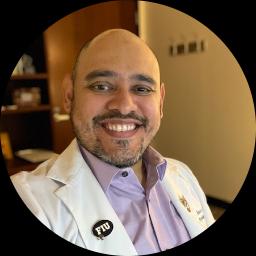
Dr. Bosco Lorio is an LMHC (Florida) and an LPC (Georgia) with 20 years of experience. He notes working with concerns such as depression, anxiety, trauma, sexual identity and orientation, and men's issues. He has substantial experience with veterans and the LGBT community.
He has worked in hospitals and outpatient clinics since 2006. Much of his practice has focused on trauma, mood disorders, and challenges tied to identity and military service. He also addresses stress, grief, addictions, anger, and relationship or intimacy-related problems.
His main ways of working include cognitive-behavioral methods and solution-focused techniques. He also draws on Acceptance and Commitment Therapy, mindfulness, motivational interviewing, and Emotionally-Focused Therapy when those approaches fit the client’s goals. Sessions aim to be practical and directed toward real-life steps.
He describes his role as a counselor who listens, gives constructive feedback, and avoids labels. He prefers clear, respectful interaction and wants to reduce stigma around mental health. That emphasis often shapes how he frames goals and homework between sessions.
He offers evening hours on weekdays and more weekend availability while also working full time in a hospital. Sessions are conducted in English and Spanish. To begin, clients use the site’s matching questionnaire and schedule a first session.
How his approaches translate to online work
Acceptance and Commitment Therapy (ACT) focuses on clarifying values and taking small, values-driven steps. It can help with anxiety, low mood, and problems where avoidance holds someone back. Cognitive Behavioral Therapy (CBT) breaks down patterns of thought and behavior into practical experiments and short homework tasks to reduce symptoms and improve coping skills.Choosing the right approach is part of the process. He will work together with the client to decide which methods fit best based on goals and preferences. That collaboration can mean trying one method for a few sessions and adjusting as needed.
The biography does not state specific remote session formats, so confirm the available options before booking. Online sessions can make it easier to fit counseling into a busy week, allow shorter check-ins when schedules are tight, and remove travel time so sessions can happen from work breaks or evening hours. Licensed professionals adapt practical tools, worksheets, and mindfulness practices to work well in remote meetings, helping clients continue progress between sessions.
Areas of expertise
Primary focus
Also works with
Additional focus areas
Therapeutic approaches
Experience
20+ years
Credentials
Georgia, Florida
Languages
English, Spanish
Frequently asked questions
What issues does he help with?
The profile lists stress, anxiety, depression, trauma and abuse, addictions, anger, relationship and intimacy issues, grief, bipolar concerns, and men’s issues among others.
What therapeutic style should I expect?
He primarily uses cognitive-behavioral and solution-focused methods and also incorporates ACT, mindfulness, motivational interviewing, and Emotionally-Focused Therapy when appropriate.
How much experience does he have?
He has been working in mental health since 2006, bringing about 20 years of experience in hospital and outpatient settings.
What are his credentials and where is he based?
He holds LMHC (Florida) and LPC (Georgia) credentials and practices from Georgia.
Which languages are offered for sessions?
Sessions are offered in English and Spanish.
Can people outside the US work with him?
International clients are not accepted at this time.
How are sessions structured and what formats are used?
The biography does not list specific session formats here; please confirm current session options before booking.
How does pricing and scheduling work?
Cost varies with location and sessions use a subscription that can be canceled at any time; to start, complete the matching questionnaire and schedule a first session.
Before you get in touch
- Check that the license on record covers the state you live in.
- If a topic or approach matters to you, ask how this counselor works with it.
- You don't need to have it all worked out. Saying what has been going on lately is a fine place to start.
- A profile shows the topics a counselor lists; it is not a diagnosis or a promise of results.