
Sherron Bostic
LCSW, CSWGeorgia · 8 yrs exp
LCSW counselor - men's wellbeing and relationships
Stress, Anxiety · Trauma and abuse · Anger · Self esteem · +8 more
Read profileAn independent directory of US counselors
Need to talk now? Call or text 988Therapist listings come from BetterHelp. We will earn a commission at no extra cost to you if you use our links to buy.
Welcome to our directory of online therapists serving Georgia. All therapists listed here are licensed; explore profiles to compare approaches, credentials, languages, and experience.
Georgia · 8 yrs exp
LCSW counselor - men's wellbeing and relationships
Stress, Anxiety · Trauma and abuse · Anger · Self esteem · +8 more
Read profile
Georgia · 20 yrs exp
LMFT - Stress and Relationships
Stress, Anxiety · Relationship · Career · Depression · +13 more
Read profile
Georgia · 5 yrs exp
Licensed Clinical Social Worker - Stress and Relationships
Stress, Anxiety · Relationship · Family · Trauma and abuse · +1 more
Read profile
Georgia · 10 yrs exp
Licensed Professional Counselor - Relationships and Anger
Relationship · Anger · Career · Compassion fatigue · +9 more
Read profile
Georgia · 6 yrs exp
LPC counselor - stress and family support
Stress, Anxiety · Family · Parenting · Self esteem · +1 more
Read profile
Georgia · 20 yrs exp
Licensed Professional Counselor - Stress and Relationships
Stress, Anxiety · Addictions · Family · Trauma and abuse · +12 more
Read profile
Georgia · 11 yrs exp
LPC in Georgia - Men's wellbeing and relationships
Stress, Anxiety · Addictions · LGBT · Family · +10 more
Read profile
Georgia · 5 yrs exp
Licensed Professional Counselor - Stress and Relationships
Stress, Anxiety · Relationship · Self esteem · Depression · +1 more
Read profile
Georgia · 12 yrs exp
LPC counselor - Stress and mood concerns
Stress, Anxiety · Addictions · Trauma and abuse · Anger · +1 more
Read profile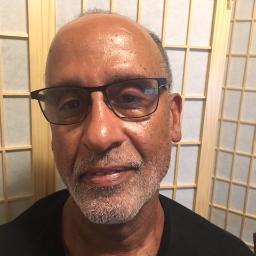
Georgia · 35 yrs exp
Licensed Clinical Social Worker - Men's wellbeing and relationships
Stress, Anxiety · Relationship · Family · Parenting · +12 more
Read profile
Georgia · 3 yrs exp
Licensed counselor - trauma and sexuality
Addictions · LGBT · Relationship · Trauma and abuse · +1 more
Read profile
Georgia · 10 yrs exp
LCSW - Relationships and Men's wellbeing
Relationship · Family · Trauma and abuse · Intimacy-related issues · +1 more
Read profile
Georgia · 20 yrs exp
Licensed Professional Counselor - Men's wellbeing and mood issues
Stress, Anxiety · Addictions · Anger · Bipolar · +10 more
Read profile
Georgia · 10 yrs exp
Licensed Professional Counselor - Men's wellbeing and relationships
Stress, Anxiety · Relationship · Family · Depression · +1 more
Read profile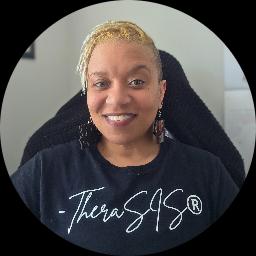
Georgia · 13 yrs exp
Licensed Professional Counselor - Men's wellbeing and relationships
Stress, Anxiety · Relationship · Family · Self esteem · +1 more
Read profile
Georgia · 11 yrs exp
Licensed Professional Counselor - Men's wellbeing and addictions
Stress, Anxiety · Addictions · Family · Trauma and abuse · +13 more
Read profile
Georgia · 15 yrs exp
Licensed Professional Counselor - Stress and relationships
Stress, Anxiety · LGBT · Self esteem · Depression · +7 more
Read profile
Georgia · 25 yrs exp
LPC counselor - Stress and relationships
Stress, Anxiety · Trauma and abuse · Grief · Self esteem · +13 more
Read profile
Georgia · 8 yrs exp
Licensed Professional Counselor - relationships and trauma
LGBT · Relationship · Trauma and abuse · Self esteem · +14 more
Read profile
Georgia · 8 yrs exp
Licensed Professional Counselor - Men’s wellbeing and addictions
Stress, Anxiety · Addictions · Trauma and abuse · Grief · +4 more
Read profile
Georgia · 8 yrs exp
LPC counselor - stress and trauma focus
Stress, Anxiety · Trauma and abuse · Self esteem · Bipolar · +8 more
Read profile
Georgia · 5 yrs exp
Licensed Professional Counselor - Men's wellbeing, relationships
Stress, Anxiety · Relationship · Trauma and abuse · Bipolar · +12 more
Read profile
Georgia · 10 yrs exp
Licensed Clinical Social Worker - relationships and stress
Stress, Anxiety · Relationship · Grief · Depression · +10 more
Read profile
Georgia · 17 yrs exp
LCSW - Stress and men's wellbeing
Stress, Anxiety · LGBT · Coping with life changes · Addictions · +5 more
Read profileOnline therapy has become an established option for many people living in Georgia, offering a way to meet with counselors across cities and rural areas alike. If you are exploring online counseling, you will find therapists who describe a range of specialties and therapeutic approaches on their profiles. Many counselors list modalities such as cognitive-behavioral therapy, psychodynamic approaches, mindfulness-based work, and EMDR among their approaches, although listing an approach does not itself indicate a formal credential. The regulatory landscape in Georgia requires that clinicians who provide professional services to Georgia residents be licensed according to state rules, and most profiles will indicate the license type the therapist holds. You should keep in mind that the practical details of how online sessions are delivered - video, phone, or messaging - vary from one counselor to another. Profiles often include information about languages spoken, populations a therapist focuses on, and how they describe their therapeutic orientation so you can get a sense of fit before reaching out.
When considering online therapy you will want to understand the logistics of telehealth in Georgia. Therapists who provide services to people in Georgia generally list whether they are authorized to practice with Georgia residents. The technology used for sessions varies, and counselors may describe how they structure virtual appointments. You should expect to see clear profile details about credentials, approaches, and the populations counselors serve, which helps you narrow down candidates based on what matters most to you.
Online therapy can reduce travel time and broaden the pool of counselors you can consider, which is especially helpful if you live outside a major metro area. You may find it easier to incorporate regular sessions into a busy schedule because you are not commuting to an office. For many people, the convenience of meeting from home or another comfortable environment lowers the barrier to consistent care. Online therapy can also provide greater choice when you are seeking a counselor who speaks a particular language or has experience working with specific life situations or identity-related concerns.
Another advantage is the continuity of care when life circumstances change. If you move within Georgia, switch jobs, or have a temporary relocation, some online counselors continue to work with clients across different parts of the state, since licensure is state-based. You should consider how a counselor describes their work with populations similar to yours and whether their stated approaches resonate with the way you prefer to engage in therapy. While online therapy is not a fit for every situation, for many people it provides a flexible, practical option that allows therapeutic work to proceed without geographic constraints.
You will find online therapists who work with a broad range of concerns that people commonly bring to counseling. Many profiles indicate work with anxiety, depression, stress management, relationship and family concerns, and life transitions such as career changes or bereavement. Counselors also often list experience helping with issues related to identity, including gender and sexual orientation matters, and with concerns that disproportionately affect men, like navigating fatherhood or dealing with performance pressure at work.
Beyond these common areas, some therapists describe experience supporting people with trauma-related symptoms, grief, anger management, and difficulty with communication or intimacy. Therapists who list specific therapeutic approaches can give you a sense of how they might work - for example, some emphasize skills-based strategies aimed at symptom management while others focus on exploring patterns and emotional processing. Because therapists describe their focus areas differently, reading several profiles will help you see which counselors express an orientation and a population focus that aligns with what you want to address.
Verifying a therapist's licensure status is an important step when you're selecting online counseling. In Georgia, the licensing body that oversees counselors, social workers, and marriage and family therapists provides a public license verification tool. You can use that resource to confirm a counselor's license type, the status of the license, expiration dates, and whether any disciplinary actions are recorded. Start by locating the state board's license verification page and entering the professional's name or license number as provided on a profile. The search results will typically show the license class - for example Licensed Professional Counselor, Licensed Clinical Social Worker, or Licensed Marriage and Family Therapist - and whether the license is active.
When you look at a profile, compare the license designation listed there with the information on the state board site. If you have questions about the meaning of a license class or about where a therapist is authorized to practice within Georgia, the state board site often includes explanatory material or contact details for the board office. Since licensure details can change, checking the official state resource gives you the most current public information about a counselor's credentials and standing.
Beginning online therapy starts with clarifying what you want to work on and what matters most in a counselor. Think about whether you prefer a counselor who emphasizes practical skills or one who focuses on exploring deeper patterns, which populations they describe working with, and whether language or cultural understanding is important to you. Profiles typically list the approaches a therapist uses and the groups they serve, so use those details to narrow your choices. Pay attention to the credentials listed on the profile - the license type indicates the category of professional practice - and look for descriptions that reflect an understanding of issues you care about.
When you reach out to a counselor, prepare a short summary of the concerns you want to address, your goals for counseling, and any questions you have about their approach or session structure. In advance of your first session, make sure you have a reliable internet connection, a device with a camera and microphone if video is used, and a quiet space where you can speak without interruptions. Consider using headphones for audio clarity and to help maintain your personal discretion during a session. If payment methods, fees, or insurance considerations are important to you, review the profile details or ask about these in your initial message so you have a clear understanding before scheduling.
Choosing the right online therapist is a personal process that often involves trying a session or two to assess fit. Focus on how the counselor communicates about their approach and whether they address your questions in a way that feels respectful and aligned with your needs. Over time, you will get a sense of whether a counselor's style, language, and emphasis match the way you like to work. If you are unsure about any aspect of a profile, use the contact step to ask specific questions about their clinical focus, experience with issues like yours, and the ways they structure sessions. Clear information and a sense of rapport from the outset help you make a confident decision about moving forward with online counseling in Georgia.
Addictions
1810 therapists
ADHD
1346 therapists
Anger
2042 therapists
Chronic Pain
1003 therapists
Control Issues
2032 therapists
Depression
2885 therapists
Grief
2112 therapists
Guilt and Shame
2723 therapists
Intimacy Issues
1665 therapists
Isolation / Loneliness
2528 therapists
Midlife Crisis
2158 therapists
Panic Disorder and Panic Attacks
1915 therapists
Post-Traumatic Stress
2320 therapists
Self Esteem
2723 therapists
Sleeping Disorders
839 therapists
Social Anxiety and Phobia
2372 therapists
Stress & Anxiety
3185 therapists
Trauma and Abuse
2412 therapists
Aging and Geriatric Issues
1200 therapists
Blended Family Issues
1478 therapists
Body Image
1232 therapists
Career
1770 therapists
Caregiver Issues and Stress
1814 therapists
Commitment Issues
1633 therapists
Communication Problems
2839 therapists
Coping with Life Changes
2503 therapists
Divorce
2200 therapists
Family
2159 therapists
Family of Origin Issues
1557 therapists
Fatherhood Issues
1706 therapists
First Responder Issues
1094 therapists
Infidelity
1666 therapists
Jealousy
1409 therapists
Life Purpose
2778 therapists
Money and Financial Issues
1415 therapists
Parenting
1757 therapists
Relationship
2694 therapists
Workplace Issues
2269 therapists