- Stress and anxiety
- Parenting and fatherhood
- CBT and mindfulness
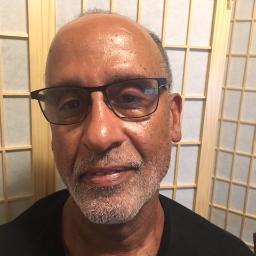
About Kenneth
Kenneth Denny is a Licensed Clinical Social Worker (LCSW) in Georgia with 35 years of experience. He works with men and others dealing with stress, anxiety, relationship strain, parenting concerns, depression, addictions, trauma, grief, anger, self-esteem, career issues, ADHD, and other mood-related concerns. He also lists focus on fatherhood issues, blended family problems, immigration and veteran-related issues, and men’s issues among his areas of interest.
Kenneth takes a direct and relaxed style in sessions. He combines client-centered discussion with cognitive behavioral tools and mindfulness practices. He also uses psychodynamic ideas and solution-focused techniques to help people notice patterns and try new behaviors.
In sessions he talks through thoughts, feelings, and actions to identify triggers and repeating problems. He helps people build a practical toolkit for assertive self-care and clearer communication. Work often includes setting short-term goals and practicing new ways of handling stress and anger.
Kenneth has worked with culturally and economically diverse people and with LGBTQ clients. His approach is straightforward and encourages problem-solving while addressing emotional material. He aims to help clients gain confidence in specific areas and make changes that fit their lives.
To start, he asks people to complete a brief matching questionnaire and schedule a first session. The intake step helps him and the client decide on goals and the best focus for early sessions.
How Kenneth uses approaches in online work
Kenneth draws on client-centered therapy to keep conversations focused on what matters to the individual. That approach emphasizes listening and helping people make their own decisions about goals and next steps.He also uses cognitive behavioral therapy (CBT) to identify unhelpful thought patterns and rehearse different responses. CBT is useful for anxiety, low mood, anger, and work- or relationship-related stress. When trauma is a central concern, he may use Eye Movement Desensitization and Reprocessing (EMDR) techniques to address painful memories and their current effects.
Deciding which method to use is a collaborative process. Kenneth works with each client to match approaches to their goals, preferences, and the problems they bring. Early sessions focus on clarifying what the client wants to change and which tools to try first.
Confirm current session formats before booking so you know how he runs online work. Many people find remote sessions easier to fit into a busy day, allow for shorter check-ins, or make it simpler to keep regular meetings while traveling. Discussing practicalities like meeting length and scheduling is part of the first steps so therapy can fit into everyday life.
Areas of expertise
Primary focus
Also works with
Additional focus areas
Therapeutic approaches
Experience
35+ years
Credentials
Georgia
Languages
English
Frequently asked questions
What concerns does he commonly address?
He works with stress, anxiety, depression, addictions, trauma, relationship and parenting issues, anger, self-esteem, career concerns, ADHD and other mood-related problems.
How would he describe his therapeutic style?
He uses a direct and relaxed approach that combines client-centered conversation with practical techniques from CBT, mindfulness, psychodynamic ideas, EMDR and solution-focused work.
How much experience does he have?
He has 35 years of clinical experience working with a range of presenting issues and diverse populations.
What are his credentials and where is he based?
He holds LCSW and CSW credentials and practices in Georgia.
Which languages are offered for sessions?
Sessions are offered in English.
Does he see clients outside the United States?
He accepts international clients.
How are sessions scheduled and what do they cost?
Cost varies with location and sessions use a subscription that can be canceled at any time.
How do I begin working with him?
Select the See online therapy options button, complete a short matching questionnaire, and schedule a first session.
Before you get in touch
- Check that the license on record covers the state you live in.
- If a topic or approach matters to you, ask how this counselor works with it.
- You don't need to have it all worked out. Saying what has been going on lately is a fine place to start.
- A profile shows the topics a counselor lists; it is not a diagnosis or a promise of results.