- Depression and anxiety
- Workplace issues
- Acceptance and CBT
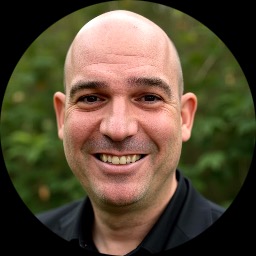
About Christopher
Dr. Christopher Rocchio is a licensed clinical social worker (LCSW) practicing in North Carolina with ten years of experience. He works with people dealing with depression, anxiety, stress, and addictions, and he lists men's issues and workplace concerns among his focus areas. Dr. Rocchio helps clients who are feeling isolated, struggling with self‑esteem, or facing midlife transitions.
He uses straightforward, evidence-informed methods in sessions. Conversations focus on practical steps that can reduce symptoms and improve daily functioning. He helps people clarify values, set realistic goals, and try out new ways of responding to stress and impulsivity.
Dr. Rocchio pays attention to the effects of chronic pain, illness, and disability on mood and daily life. He also works on communication problems and relationship strain that show up in work and personal roles. Sessions include skills practice and problem-solving tailored to the immediate issue at hand.
His style is collaborative and nonjudgmental. He aims to help people rebuild confidence, reconnect with purpose, and manage mood and addictive behaviors. Sessions are a mix of talking, useful exercises, and planning for concrete changes.
To begin, applicants follow the site's intake steps to complete a short questionnaire and arrange a first session. Fees vary by location and use a subscription that can be canceled at any time.
Approaches used in online sessions
Acceptance and Commitment Therapy (ACT) helps people clarify what matters most and take small steps toward those values despite difficult thoughts or feelings. It is often used for depression, anxiety, and finding purpose. Cognitive Behavioral Therapy (CBT) focuses on spotting unhelpful thinking and changing patterns of behavior through concrete exercises and practice. It suits problems like anxiety, low mood, and impulse control.Choosing the right approach is part of the work together. The therapist will discuss goals, preferences, and which methods feel most useful, and then adjust the plan as needed. That way sessions focus on what you want to change and how you prefer to work.
The original biography does not list specific online session formats, so confirm the available options before booking. Online sessions can make it easier to fit therapy into a workday, reduce travel time, and allow shorter check-ins when needed. They also let people use video or phone in ways that match their energy and schedule. Licensed professionals can adapt exercises from ACT and CBT for remote visits so progress continues between sessions.
Areas of expertise
Primary focus
Additional focus areas
Therapeutic approaches
Experience
10+ years
Credentials
North Carolina
Languages
English
Frequently asked questions
What kinds of concerns does he treat?
He works with depression, anxiety, stress, and addictions and addresses related issues such as self‑esteem, impulsivity, and workplace problems.
What is his therapeutic style like?
His approach is collaborative and nonjudgmental. Sessions focus on practical steps, skills practice, and clear goals.
How much clinical experience does he have?
He has ten years of experience as a clinician working with mood, addiction, and men's wellbeing concerns.
What credentials and where is he licensed?
He is an LCSW licensed in North Carolina.
Does he work in other languages or with international clients?
Sessions are offered in English and he is not accepting international clients.
What session formats are offered?
The biography does not list specific session formats; please confirm current session options before booking.
How are sessions paid for and how much do they cost?
Fees vary by location and sessions use a subscription model that can be canceled at any time.
How do I get started with him?
Use the See online therapy options button, complete the short matching questionnaire, and schedule a first session.
Before you get in touch
- Check that the license on record covers the state you live in.
- If a topic or approach matters to you, ask how this counselor works with it.
- You don't need to have it all worked out. Saying what has been going on lately is a fine place to start.
- A profile shows the topics a counselor lists; it is not a diagnosis or a promise of results.