
Khalid Greenaway
LPCNorth Carolina · 20 yrs exp
Licensed Professional Counselor - Men's wellbeing and mood
Stress, Anxiety · Relationship · Family · Self esteem · +9 more
Read profileAn independent directory of US counselors
Need to talk now? Call or text 988Therapist listings come from BetterHelp. We will earn a commission at no extra cost to you if you use our links to buy.
Welcome if you are searching for an online therapist who serves North Carolina residents. All therapists listed here are licensed to practice in the state, so you can begin exploring profiles with that baseline confirmation.
Use the listing grid to compare approaches, areas of focus, languages, and credentials to find counselors who align with what you want from therapy.
North Carolina · 20 yrs exp
Licensed Professional Counselor - Men's wellbeing and mood
Stress, Anxiety · Relationship · Family · Self esteem · +9 more
Read profile
North Carolina · 10 yrs exp
LCMHC counselor - Men's wellbeing and stress
Stress, Anxiety · Addictions · Self esteem · Career · +7 more
Read profile
North Carolina · 23 yrs exp
LCMHC - Stress and Addictions work
Stress, Anxiety · Addictions · Trauma and abuse · Grief · +14 more
Read profile
North Carolina · 9 yrs exp
Licensed counselor - Stress and men's issues
Stress, Anxiety · Anger · Self esteem · Depression · +1 more
Read profile
North Carolina · 5 yrs exp
LCMHC in North Carolina - Men's wellbeing and relationships
Stress, Anxiety · Family · Trauma and abuse · Depression · +15 more
Read profile
North Carolina · 8 yrs exp
Licensed Clinical Social Worker - Men's wellbeing, parenting
Stress, Anxiety · Trauma and abuse · Parenting · Anger · +8 more
Read profile
North Carolina · 5 yrs exp
Licensed Clinical Mental Health Counselor - Relationship and Mood
Relationship · Grief · Eating · Anger · +12 more
Read profile
North Carolina · 10 yrs exp
LCSW - men's wellbeing and relationships
Stress, Anxiety · Family · Grief · Parenting · +12 more
Read profile
North Carolina · 25 yrs exp
LCMHC - Men's wellbeing and relationships
Stress, Anxiety · Relationship · Depression · Coping with life changes · +1 more
Read profile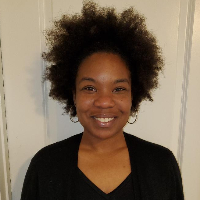
North Carolina · 15 yrs exp
NC LCSW - Men's wellbeing and relationships
LGBT · Relationship · Family · Parenting · +7 more
Read profile
North Carolina · 4 yrs exp
LCSW - Men's wellbeing and relationships
Stress, Anxiety · Addictions · Relationship · Trauma and abuse · +1 more
Read profile
North Carolina · 20 yrs exp
LPC LCMHC - Stress and relationship concerns
Stress, Anxiety · Addictions · Relationship · Family · +1 more
Read profile
North Carolina · 36 yrs exp
LCSW - Stress and Relationship support
Stress, Anxiety · Relationship · Grief · Depression · +12 more
Read profile
North Carolina · 8 yrs exp
Licensed Clinical Social Worker - Stress and Men's issues
Stress, Anxiety · Parenting · Self esteem · Depression · +1 more
Read profile
North Carolina · 10 yrs exp
LCSW counselor - men's wellbeing and relationships
Stress, Anxiety · Relationship · Family · Bipolar · +16 more
Read profile
North Carolina · 17 yrs exp
Licensed Clinical Mental Health Counselor - Men's wellbeing and relationships
Stress, Anxiety · Addictions · Relationship · Family · +16 more
Read profile
North Carolina · 6 yrs exp
Licensed Clinical Mental Health Counselor - Trauma and Mood
Stress, Anxiety · Trauma and abuse · Self esteem · Depression · +8 more
Read profile
North Carolina · 18 yrs exp
LMFT - Men's wellbeing and relationships
Stress, Anxiety · Family · Parenting · Anger · +10 more
Read profile
North Carolina · 14 yrs exp
LCSW in North Carolina - Men's wellbeing and relationships
Stress, Anxiety · Relationship · Family · Trauma and abuse · +9 more
Read profile
North Carolina · 15 yrs exp
Licensed counselor - Men's wellbeing and relationships
Stress, Anxiety · Addictions · Relationship · Trauma and abuse · +14 more
Read profile
North Carolina · 30 yrs exp
LCMHC - Men's wellbeing and relationships
Stress, Anxiety · Family · Trauma and abuse · Parenting · +10 more
Read profile
North Carolina · 19 yrs exp
LCMHC - Men's wellbeing and relationships
Stress, Anxiety · Relationship · Grief · Self esteem · +4 more
Read profile
North Carolina · 6 yrs exp
Licensed Clinical Mental Health Counselor - Stress and Relationships
Stress, Anxiety · LGBT · Relationship · Self esteem · +12 more
Read profile
North Carolina · 6 yrs exp
LCSW - Men's wellbeing and relationships
Stress, Anxiety · Family · Trauma and abuse · Self esteem · +15 more
Read profileIf you are considering online therapy in North Carolina, you will find a range of professionals who use video, phone, and messaging to deliver counseling services. Many clinicians combine remote sessions with phone check-ins or asynchronous messaging depending on their preferred workflow. Because teletherapy models vary, you should look for clear information on how each clinician conducts sessions, which platforms they use, and the kinds of technology they support so you know what to expect before your first meeting.
Regulation of mental health practice remains an important point to keep in mind. Therapists who list North Carolina among the places they serve indicate they hold a license issued by a relevant North Carolina licensing board. Licensing helps identify the type of credential a provider holds - for example, licensed professional counselors, licensed clinical social workers, marriage and family therapists, and psychologists all practice under distinct license categories. When deciding whether online therapy is a fit for you, you can weigh factors such as whether you prefer a clinician with specific training in men's mental health, experience with cultural issues relevant to North Carolina communities, or comfort working with particular approaches that therapists list on their profiles.
Online therapy can be especially useful if you live in a rural part of North Carolina, face transportation limitations, or keep a demanding schedule. By removing the need to travel, virtual sessions often let you access a wider range of clinicians than those located physically nearby. You may be able to find counselors who list specialized approaches or experience with issues that matter to you, along with therapists who provide services in languages other than English or who work with specific populations, including men-focused counseling.
For many people, the convenience of remote sessions makes it easier to maintain regular contact with a therapist, which can help you make steady progress. You can also consider whether you prefer video meetings that feel more like in-person encounters or shorter telephone conversations that are easier to fit into a busy day. Keep in mind that if you travel or move out of state, the rules about where a clinician is authorized to practice can change. That is why confirming licensure and understanding any geographic limitations listed on a therapist profile are practical steps early in your search.
You may be wondering which concerns are well-suited to online therapy. Therapists who work remotely commonly address mood concerns such as depression and anxiety, stress and workplace issues, relationship and family matters, grief and life transitions, trauma-related concerns, substance use challenges, and questions tied to identity and masculinity. Counselors who specialize in men's issues often focus on communication patterns, anger management, career transitions, and navigating expectations around emotional expression, though individual clinicians will state their own focus areas on their listings.
When reading profiles you will also see a range of therapeutic approaches noted by therapists. Some list cognitive behavioral therapy or CBT, others list acceptance and commitment approaches, psychodynamic perspectives, mindfulness-based work, or trauma-focused methods. If a therapist lists EMDR among their approaches, that indicates they include EMDR in their practice descriptions but does not itself verify a specific credential. Use the profile details to find clinicians whose described approaches align with what you think will work for you, and consider asking a potential provider how they adapt their methods to your situation during an initial contact.
Verifying that a therapist is licensed in North Carolina is an important step in your search. Start by noting the clinician's full name and any license number listed on their profile. Then visit the official North Carolina license lookup tools for the relevant profession. Different license types have separate boards or registries, so you will want to check the registry for licensed professional counselors, social workers, marriage and family therapists, or psychologists depending on the provider's listed credential. These state-managed resources typically let you search by name and will show license status and other public details.
When you view a license record, check whether the license is marked as active, the license type and number, the expiration date, and whether any disciplinary actions or public orders appear in the record. You can also review the date the license was issued and the issuing board. If the record is unclear or you have concerns, the state board is the authoritative contact for further questions. Keep an eye out for any indications that a therapist is registered in another state but lists North Carolina as served - if that is the case, confirm that their record shows authorization to practice with North Carolina residents.
Begin by clarifying what you want from therapy and the practical elements that matter to you. Decide whether you prefer video or phone sessions, whether you want to work with someone who lists experience with men's mental health, and whether language or cultural competence is important. Use the directory profiles to narrow options by credentials, described focus areas, approaches, and the languages listed. Reach out to clinicians whose profiles resonate with a brief message that explains what brought you to therapy and asks a few preliminary questions about how they work with clients like you. Some clinicians provide a short intake form on their site that helps them determine fit before scheduling an initial meeting.
As you evaluate responses, pay attention to how a therapist communicates and whether their explanation of approach matches your needs. Consider practical matters such as session length, fee range, and whether they accept your insurance or provide a superbill if you prefer to submit expenses yourself. Think about cultural considerations and life experience - you may feel more comfortable with a clinician who lists experience working with men, veterans, athletes, or other communities that reflect your background. Also consider technical aspects - ask how sessions are conducted, what platforms are used, and how your health information is protected. If you need a quiet, distraction-free setting for sessions, plan where you will be during appointments so you can engage fully.
Choosing a therapist can take time and a bit of trial and error. It is reasonable to arrange an initial conversation to get a sense of rapport and to ask how the therapist structures early sessions. If at any point you feel the fit is not right, you can continue searching until you find a clinician whose style and approach align with your goals. The directory is a starting point to compare what different professionals list about their work, and combining that information with a direct, upfront conversation helps you make an informed choice about next steps in care.
Addictions
1810 therapists
ADHD
1346 therapists
Anger
2042 therapists
Chronic Pain
1003 therapists
Control Issues
2032 therapists
Depression
2885 therapists
Grief
2112 therapists
Guilt and Shame
2723 therapists
Intimacy Issues
1665 therapists
Isolation / Loneliness
2528 therapists
Midlife Crisis
2158 therapists
Panic Disorder and Panic Attacks
1915 therapists
Post-Traumatic Stress
2320 therapists
Self Esteem
2723 therapists
Sleeping Disorders
839 therapists
Social Anxiety and Phobia
2372 therapists
Stress & Anxiety
3185 therapists
Trauma and Abuse
2412 therapists
Aging and Geriatric Issues
1200 therapists
Blended Family Issues
1478 therapists
Body Image
1232 therapists
Career
1770 therapists
Caregiver Issues and Stress
1814 therapists
Commitment Issues
1633 therapists
Communication Problems
2839 therapists
Coping with Life Changes
2503 therapists
Divorce
2200 therapists
Family
2159 therapists
Family of Origin Issues
1557 therapists
Fatherhood Issues
1706 therapists
First Responder Issues
1094 therapists
Infidelity
1666 therapists
Jealousy
1409 therapists
Life Purpose
2778 therapists
Money and Financial Issues
1415 therapists
Parenting
1757 therapists
Relationship
2694 therapists
Workplace Issues
2269 therapists