- Stress and anxiety
- Addictions support
- Fatherhood issues
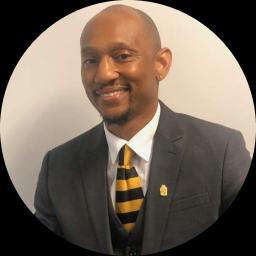
About Robert
Robert Johnson III is a Licensed Professional Counselor (LPC) and a Licensed Clinical Mental Health Counselor (LCMHC) with 20 years of experience. He practices in North Carolina and says he works with stress, anxiety, addictions, relationship issues, family conflict, and depression.
He frames clients as the experts on their own stories and looks for strengths to build on. Sessions are straightforward and practical. He talks through problems, helps people identify patterns, and works on concrete steps that can make daily life easier.
Robert has spent two decades in clinical settings and community work. That experience includes helping people manage drug and alcohol problems, address fatherhood and family-of-origin issues, and cope with intense feelings like guilt, shame, or emptiness. He also has experience with adoption and foster-care related concerns and blended family challenges.
In sessions he focuses on what is relevant now - stress at work, struggles with commitment or control, or conflicts at home. He has worked with first responders and with people facing fertility or abandonment worries. The tone is direct and practical, with attention to immediate problems and patterns that keep repeating.
To get started he asks prospective clients to complete a short matching questionnaire and schedule a first session. The subscription used for sessions can be canceled at any time, and pricing varies by location.
How therapeutic methods fit into online sessions
Evidence-based therapeutic techniques focus on practical change and understanding patterns. One common approach used in these methods helps people spot unhelpful thinking and behavior patterns and then try small, doable changes. This approach often helps with anxiety, low mood, and stress by teaching skills to manage day-to-day reactions.Another approach emphasizes looking at relationships and family history to see how past patterns affect present behavior. This can help with fatherhood issues, blended family challenges, and conflicts rooted in family of origin or abandonment concerns. It’s about linking how past dynamics show up in current relationships.
Finding the right approach is part of the work. The therapist will collaborate with each person to choose methods that match their needs, goals, and preferences. That means trying something, checking how it feels, and adjusting the plan together.
Confirm current session options before booking, since formats were not specified in the original biography. Online sessions can make it easier to fit therapy into a busy life, for example by reducing travel time or allowing shorter check-ins between work obligations. Licensed professionals can adapt homework, skill practice, and conversation to suit the way each client prefers to meet.
Areas of expertise
Primary focus
Additional focus areas
Experience
20+ years
Credentials
North Carolina, South Carolina
Languages
English
Frequently asked questions
What kinds of problems does he help with?
He works with stress, anxiety, addictions, relationship issues, family conflict, and depression. He also addresses related concerns like guilt, shame, and emptiness.
What is his general approach in sessions?
He treats clients as the expert on their story and focuses on practical steps. Conversations aim to identify patterns and build on existing strengths.
How much experience does he have?
He has 20 years of professional work experience in clinical and community settings. That includes work with addictions and family-related challenges.
What are his credentials and where does he practice?
He holds LPC and LCMHC credentials and practices in North Carolina. The LPC is listed as SC LPC and the LCMHC as NC LCMHC.
Which languages are supported?
Sessions are offered in English.
Can international clients work with him?
International clients are not currently accepted.
How are sessions priced?
Cost varies with location and sessions use a subscription that can be canceled at any time. Exact pricing is provided during sign up.
What do I do to begin?
Select the See online therapy options button, complete the short matching questionnaire, and schedule a first session.
Before you get in touch
- Check that the license on record covers the state you live in.
- If a topic or approach matters to you, ask how this counselor works with it.
- You don't need to have it all worked out. Saying what has been going on lately is a fine place to start.
- A profile shows the topics a counselor lists; it is not a diagnosis or a promise of results.