- Stress and anxiety
- Anger management
- CBT and solution-focused
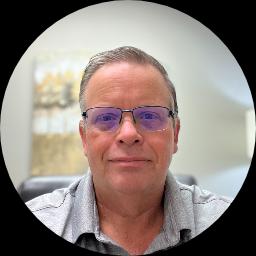
About Michael
Michael Nichols is a North Carolina Licensed Clinical Mental Health Counselor (LCMHC) with 20 years of professional experience. He works with men on stress, anxiety, relationship concerns, anger, depression, and coping with life changes. He also focuses on communication problems, impulsivity, veterans and armed forces issues, and social anxiety and phobia.
He uses straightforward, goal-oriented methods to help people manage symptoms and solve specific problems. Sessions emphasize practical skills and clear steps rather than long explanations. He listens for patterns that keep problems repeating and helps clients try different behaviors to see what works.
Michael draws on Cognitive Behavioral Therapy (CBT) to identify unhelpful thoughts and test new ways of thinking. He also uses Solution-Focused Therapy to set short-term goals and build momentum toward them. Those approaches are used together to reduce symptoms and improve everyday functioning.
Typical conversations include spotting triggers for stress or anger, practicing communication skills, and making small changes that add up over time. He aims to keep sessions direct and focused on what the client wants to change. The work is practical and action oriented, with regular check-ins on progress.
For men who have never tried counseling, Michael offers clear explanations of the methods and what to expect in early sessions. To begin, follow the site steps to complete the matching questionnaire and schedule a first session.
How his CBT and Solution-Focused work online
Michael uses Cognitive Behavioral Therapy to help you notice thoughts that worsen moods and to test new responses that change feelings and behavior. CBT sessions focus on clear exercises and practical homework that you can try between meetings to measure what helps.He also uses Solution-Focused Therapy to set concrete short-term goals and build small wins. That approach asks what you want to be different soon and then breaks the change into doable steps you can practice right away.
Finding the right approach is part of the work. Michael will discuss your goals, preferences, and everyday constraints and then recommend methods to try. That decision is collaborative and can be adjusted based on what produces results.
Session formats are not listed in the biography, so please confirm current options before booking. Online sessions can make it easier to fit counseling into a busy week, allow for shorter check-ins when needed, and reduce travel time. They can also let you practice new skills in the context of your normal routine, which often makes changes stick better.
Areas of expertise
Primary focus
Additional focus areas
Therapeutic approaches
Experience
20+ years
Credentials
North Carolina
Languages
English
Frequently asked questions
What concerns does he help with?
He works with stress, anxiety, relationship problems, anger, depression, and coping with life changes. He also focuses on communication problems, impulsivity, veterans and armed forces issues, and social anxiety and phobia.
What style of therapy does he use?
He uses Cognitive Behavioral Therapy (CBT) and Solution-Focused Therapy. The sessions are practical and goal oriented.
How much experience does he have?
He has 20 years of professional work experience in clinical practice.
What are his credentials and where is he based?
He is an LCMHC licensed in North Carolina. His practice is located in North Carolina.
Does he offer sessions in other languages?
Sessions are offered in English only.
Can people outside the US work with him?
He does not accept international clients at this time.
How are sessions paid for and what does it cost?
Cost varies with location and sessions use a subscription that can be canceled at any time. Exact fees depend on your chosen subscription and location.
How do I start a first session?
Select the See online therapy options button, complete a short matching questionnaire, and schedule your first session. That will provide the next steps to connect with him.
Before you get in touch
- Check that the license on record covers the state you live in.
- If a topic or approach matters to you, ask how this counselor works with it.
- You don't need to have it all worked out. Saying what has been going on lately is a fine place to start.
- A profile shows the topics a counselor lists; it is not a diagnosis or a promise of results.